
South Airdrie Smiles
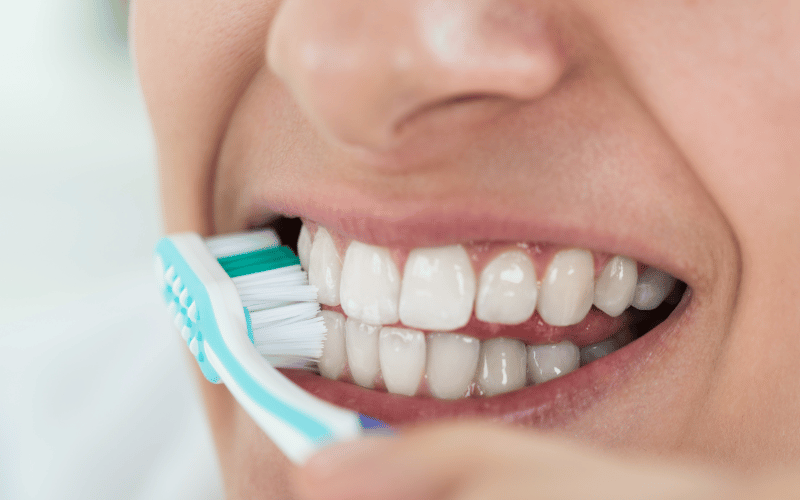
Does Hard Brushing Lead to Cleaner Teeth? Debunking Dental Myths
Overall health depends on maintaining proper oral hygiene. Many people believe that brushing harder means cleaner teeth. This myth suggests that applying more pressure will result in a more thorough cleaning. However, this belief could lead to more harm than good.
This blog will explore whether hard brushing truly leads to cleaner teeth and examine the evidence behind this common misconception. By understanding the science and professional opinions, you will learn why gentle brushing might be more effective and how to maintain optimal oral health.
The Myth of Hard Brushing
The belief that hard brushing results in cleaner teeth is widespread. Many assume that using more force will remove more plaque and food particles. This notion is backed by the idea that harder brushing scrapes away debris more effectively.
Over time, this myth has been popularized by anecdotes and outdated dental advice, creating a perception that aggressive brushing is better.
However, the reality is that the effectiveness of brushing is not determined by pressure alone. The myth gained traction because it aligns with a common assumption: if a little effort is good, more effort must be better.
Many people have seen their parents or older generations brush with strong pressure and thus mimic the same habits. This has perpetuated the belief that aggressive brushing equates to superior cleaning.
The Science Behind Brushing Pressure
The pressure with which you brush your teeth can significantly impact your dental health. Research indicates that brushing too hard can lead to various problems. Enamel, the hard, protective layer on your teeth, can be worn down by excessive force. Enamel erosion makes teeth more sensitive and increases the risk of cavities.
Additionally, gum health can be compromised by aggressive brushing. Your teeth’s roots may become visible as your gums recede, which could make you sensitive. This condition, known as gum recession, can make your teeth appear longer and cause discomfort when consuming hot or cold foods.
Studies comparing hard brushing to gentle brushing reveal that the latter is often more effective at cleaning without causing damage. Effective plaque removal that preserves your gums and enamel can be achieved with gentle brushing with a soft-bristled brush.
Brushing with moderate pressure, combined with proper technique, ensures a clean mouth without the risks associated with aggressive brushing.
Consequences of Hard Brushing
- Potential Damage to Enamel: The protective layer of your teeth, called enamel, can be eroded by vigorous cleaning. Tooth sensitivity and cavity risk are increased by enamel degradation.
- Risks of Gum Recession and Sensitivity: Applying too much pressure can lead to gum recession, where gums pull away from the teeth. This can expose the tooth roots, causing discomfort and a higher risk of decay. It can also induce sensitivity to heat and cold.
- Possible Long-Term Effects on Dental Health: Persistent aggressive brushing can contribute to long-term dental issues, including tooth sensitivity and increased susceptibility to gum disease. Over time, this can lead to more severe oral health problems and necessitate costly dental treatments.
Professional Opinions
Dental professionals emphasize the importance of brushing gently to maintain good oral health. According to proficient dentists, the ideal brushing technique involves using a soft-bristled toothbrush and applying light pressure. aggressive brushing can cause more harm than good by damaging enamel and gums.
Professional dentists recommend brushing in gentle, circular motions rather than scrubbing back and forth. This technique effectively removes plaque without risking damage to your teeth and gums. Additionally, using fluoride toothpaste helps strengthen enamel and prevent decay.
For personalized advice, consulting a local dentist in Airdrie can provide tailored recommendations based on your specific dental needs. Regular dental examinations are also necessary to monitor your brushing habits and identify any potential issues early.
Alternatives to Hard Brushing
- Proper Brushing Techniques: Brush in circular motions to clean teeth effectively without causing damage. Avoid vigorous scrubbing.
- Choosing the Right Toothbrush: Opt for a soft-bristled toothbrush, which is gentler on your enamel and gums compared to hard-bristled brushes.
- Importance of Regular Dental Check-Ups: Frequent dental checkups guarantee that your brushing regimen is efficient and address any possible issues before they become worse.
Practical Tips for Effective Brushing
- Step-by-Step Guide to Proper Brushing: Begin by placing your toothbrush at a 45-degree angle to your gums. Start by brushing the outside of your teeth with soft, circular motions, and then work your way inside. Prioritize cleaning your chewing surfaces. Remind yourself to brush your tongue to get rid of germs.
- Maintaining Good Oral Hygiene Beyond Brushing: Floss daily to remove plaque and food particles between your teeth and under the gumline. Use mouthwash to help reduce bacteria and freshen your breath.
- Importance of Flossing and Mouthwash: Flossing complements brushing by reaching areas your toothbrush cannot. Mouthwash can help kill bacteria and provide additional protection against dental issues.
aggressive brushing is a common myth that can lead to more harm than good. Gentle brushing with a soft-bristled toothbrush is more effective and safer for your enamel and gums. Proper brushing techniques, regular dental check-ups, and a balanced oral hygiene routine are crucial for maintaining optimal dental health. For personalized guidance, consult with a dentist to ensure you are following the best practices for your unique needs.