
South Airdrie Smiles

Caring for Your Skin After Botox and Dysport
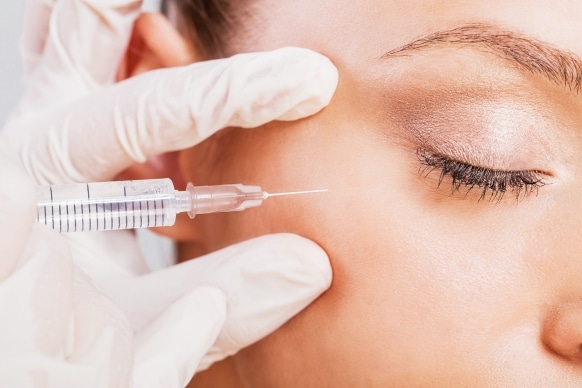
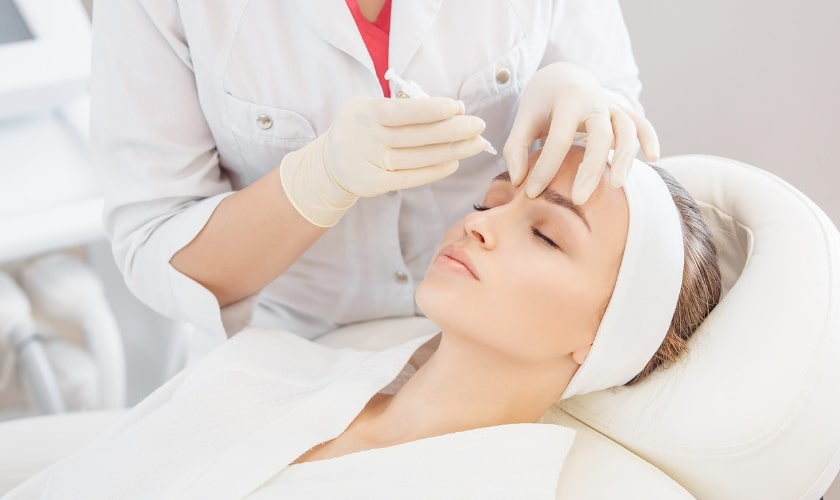
Botox and Dysport are popular treatments for reducing facial wrinkles and fine lines. Both involve injecting a botulinum toxin to temporarily paralyze specific muscles, resulting in smoother skin.
Proper aftercare is crucial to ensure you achieve the best results from these treatments. Following post-procedure guidelines helps minimize side effects and optimizes the longevity of your results. Proper skin care not only enhances the effectiveness of Botox and Dysport but also promotes a quicker recovery.
Understanding Botox and Dysport
Botox and Dysport are injectable neuromodulators used to reduce wrinkles and lines. They contain botulinum toxin, which temporarily blocks nerve signals in targeted muscles. This paralysis prevents muscle contractions that cause wrinkles. Both treatments are commonly used for forehead lines, crow’s feet, and frown lines.
Botox, first approved in 2002, is widely recognized and often preferred for its precision. Dysport, approved in 2009, has a slightly different formulation and may spread more widely, which can be advantageous for treating larger areas. Both are effective in smoothing out wrinkles, with results typically lasting three to four months.
These procedures have advantages that go beyond aesthetic enhancements. Additionally, they might lessen the signs and symptoms of a few medical ailments, like persistent headaches or excessive perspiration. Each treatment has its unique attributes, but they both share the primary function of reducing the appearance of dynamic wrinkles.
Immediate Aftercare Tips
Avoid Touching or Rubbing the Area: After Botox or Dysport injections, it is essential not to touch or rub the treated area. Manipulating the skin can cause the toxin to spread to unintended areas, potentially leading to less desirable outcomes or side effects. Keeping your hands off your face helps ensure that the toxin remains precisely where it was injected.
Stay Upright: For the first few hours after your treatment, try to stay upright. This position helps keep the Botox or Dysport in the targeted muscles and prevents migration to other areas. Lying down can inadvertently shift the product, reducing its effectiveness.
Avoid Heat and Sun Exposure: Direct heat and sunlight can affect the results of your treatment. Avoiding hot environments like saunas or sunbathing in the initial days helps minimize the risk of irritation and allows your skin to heal properly.
Short-Term Aftercare
Hydration and Moisturization: Keeping your skin well-hydrated and moisturized is vital after receiving Dysport or Botox in Airdrie. Use gentle, hydrating products to avoid dryness and irritation. For a smooth recuperation and to protect your skin’s natural barrier, choose moisturizers with elements like hyaluronic acid.
Gentle Cleansing: Clean your face using a mild, non-exfoliating cleanser. Avoid any harsh scrubbing or abrasive products that could irritate the treated areas. Gentle cleansing helps keep the skin clean without disrupting the Botox or Dysport’s effects.
Avoid Certain Activities: For the first 24-48 hours, refrain from strenuous exercise, hot saunas, or other activities that cause excessive sweating. These exercises may improve blood flow and maybe change the toxin’s distribution, which may have an effect on how well your treatment works.
Long-Term Aftercare
Maintaining Results: To extend the effects of Botox and Dysport, adhere to a consistent skincare routine. Regular use of sunscreen, moisturizers, and gentle exfoliants can help maintain smooth skin and prolong the treatment’s benefits.
Regular Follow-Ups: Make follow-up appointments with your provider so that you can discuss any concerns and track your progress. Regular check-ins ensure that any adjustments or additional treatments are handled promptly, optimizing your results.
Skin Care Routine Adjustments: Modify your skincare routine to support the results of Botox and Dysport. Avoid products with strong active ingredients, such as retinoids or high concentrations of acids, which can irritate the skin. Instead, focus on soothing and hydrating products.
Common Mistakes to Avoid
Over-Massaging the Area: Massaging or pressing the treated area can disrupt the Botox or Dysport placement, leading to uneven results. Avoid touching or rubbing the area to ensure the product stays where intended.
Ignoring Aftercare Instructions: Following aftercare instructions is crucial for achieving the best outcomes. Ignoring these guidelines can lead to complications or reduced effectiveness of the treatment.
Using Harsh Skincare Products: Post-treatment skin is sensitive, and using harsh or irritating products can hinder healing. Stick to gentle, non-irritating skincare products to avoid adverse effects.
When to Seek Professional Advice?
Signs of Complications: Look out for unusual symptoms such as severe swelling, excessive bruising, or muscle weakness in areas not treated. These could indicate complications requiring professional attention.
Contacting Your Provider: If you experience any unexpected issues or have concerns about your treatment, reach out to your provider. They can offer guidance and address any problems to ensure your results are as intended.
Caring for your skin after Botox and Dysport is essential for achieving the best results and minimizing potential side effects. By following immediate and long-term aftercare guidelines, you can enhance the effectiveness of your treatment and support your skin’s recovery.
Remember, proper care leads to better results and a more satisfying experience with these popular cosmetic treatments.