
South Airdrie Smiles
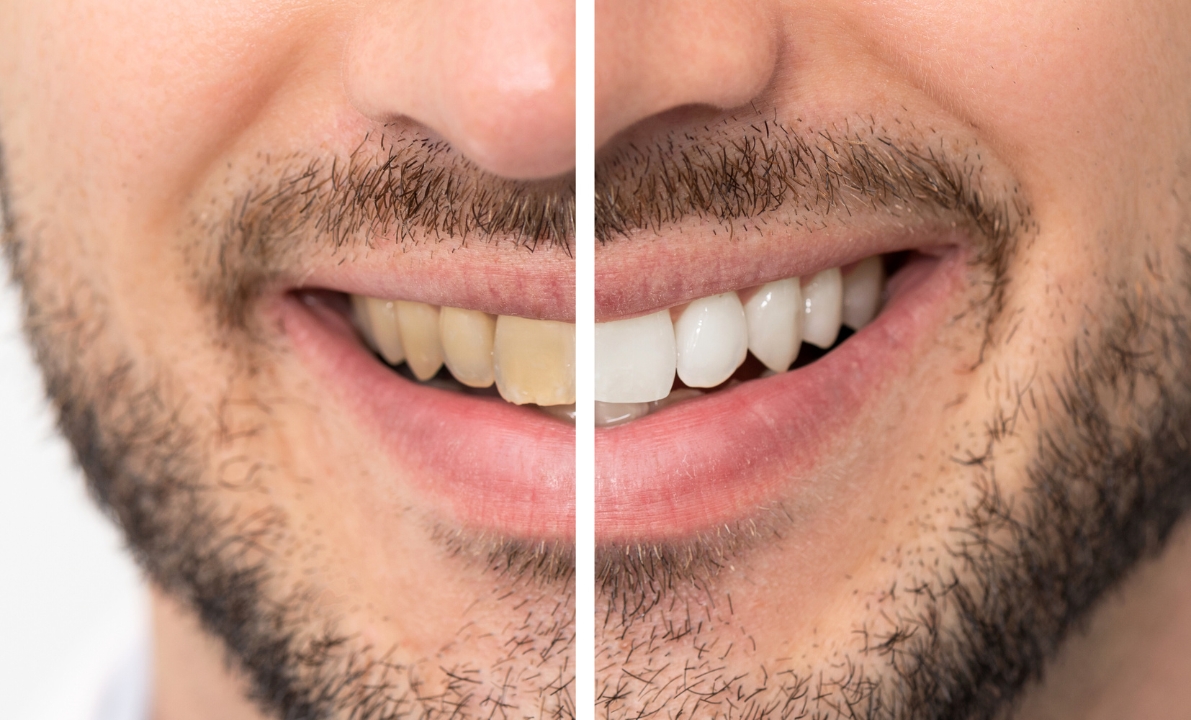
Can Teeth Whitening Fix Coffee Stains? Learn How We Restore Your Pearly Whites In Airdrie
Coffee is part of everyday life for many people in Airdrie. It fuels early commutes on Deerfoot Trail, keeps parents going on busy school mornings, and pairs well with Alberta’s cold winters. But over time, that daily habit can leave your teeth looking darker than you remember.
The frustrating part is that coffee stains build gradually. Many people do not notice the change until photos start showing a dull smile or whitening toothpaste stops working. The good news is that coffee stains are often treatable. Understanding why they happen and what actually works can help you make the right decision for your smile.
Why Coffee Stains Your Teeth Faster Than You Think
Coffee stains are not always caused by how much you drink. Often, it is about how often you sip it throughout the day and how your enamel reacts. If your morning brew has become an all-day habit, stains can settle deeper than you realize.
- Tannins cling to enamel: Coffee contains tannins that help dark pigments stick to your teeth.
- Enamel has tiny pores: These microscopic openings absorb stain particles over time.
- Frequent sipping makes it worse: Drinking coffee for hours gives stains more chances to settle.
- Acid weakens enamel temporarily: This makes your teeth more vulnerable to discoloration.
- Add-ons can create buildup: Sugar syrups and creamers may contribute to plaque, which traps stains.
Are Your Stains Fixable or Permanent?
Not every stain responds the same way. Some sit on the outer enamel and lift easily, while others go deeper. Knowing the difference helps you avoid wasting time on products that are unlikely to work.
- Surface stains: Usually caused by coffee, tea, red wine, and smoking. These often respond well to whitening treatments.
- Deep stains: Can result from aging, medication, trauma, or enamel thinning. These may need other cosmetic options.
- Mixed discoloration: Some people have both types, which requires a proper evaluation.
After trying whitening toothpaste without noticeable results, many people start exploring teeth whitening in Airdrie for stronger and safer stain removal.
Signs It Is Time to Stop Using Drugstore Whitening Products
Whitening strips, gels, and toothpaste may seem like an easy fix when coffee stains start showing up. They can help with very light discoloration, but they often fall short when stains become more noticeable. In some cases, repeated use can create new problems rather than improve your smile. If you keep buying over-the-counter products and your teeth still look dull, these signs may tell you it is time to consider a better solution.
- Uneven Whitening Results: Some teeth may appear brighter, while others remain yellow or stained, leaving your smile looking patchy rather than refreshed.
- Increased Tooth Sensitivity: Frequent whitening treatments can make your teeth feel sensitive to hot coffee, cold drinks, or even brushing.
- Gum Irritation: Whitening strips that do not fit properly can rub against your gums, causing discomfort or irritation.
- Little to No Visible Change: If you have been using whitening toothpaste or strips for weeks with minimal improvement, the stains may be too deep for store-bought products.
- Results Fade Quickly: If your teeth look brighter only briefly before stains return, your whitening routine may not be addressing the underlying issue.
What Happens During Professional Whitening Treatment?
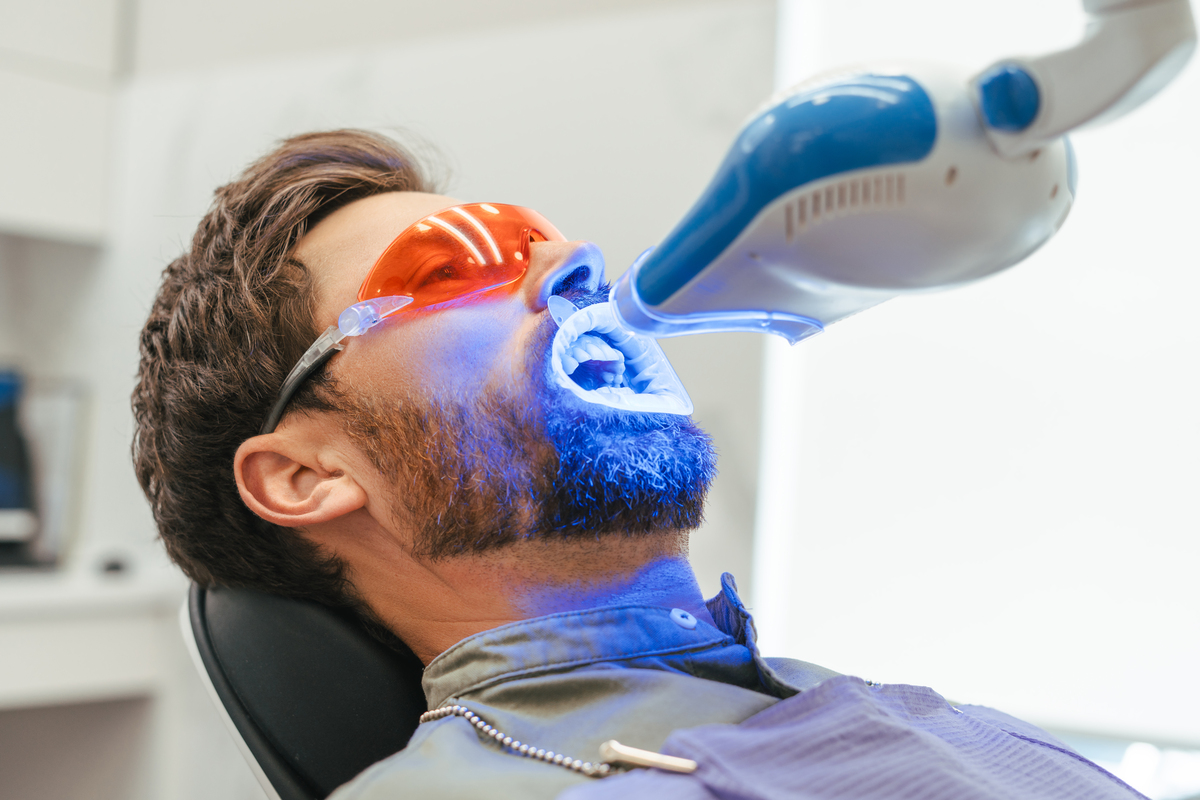
Many people hesitate to whiten their teeth because they are unsure what the process actually involves. Professional whitening is far more controlled than using store-bought strips or random online products. The goal is simple: remove stubborn stains safely while helping your smile look naturally brighter, not overly white or artificial.
- A Full Smile Check Comes First: Your cosmetic dentist examines your dental health to ensure whitening is a safe option and to check for issues such as cavities, enamel wear, or sensitivity.
- A Cleaning May Be Recommended: Surface plaque and tartar can block whitening agents from working properly. A cleaning may be done first to create a better starting point.
- Professional Whitening Gel Is Applied Carefully: A stronger whitening solution is used to break down deep coffee stains while protecting your gums and surrounding tissues.
- Your Progress Is Monitored Throughout Treatment: Your teeth are monitored throughout treatment to ensure even whitening and to reduce the risk of irritation or sensitivity.
- Your Final Shade Is Reviewed: Once treatment is complete, your smile is evaluated to ensure the results look brighter, balanced, and natural.
At South Airdrie Smiles, whitening treatments are based on your current tooth shade and the type of staining affecting your smile.
How To Keep Coffee From Staining Your Teeth Again
Whitening can improve your smile, but your daily habits matter if you want longer-lasting results. You do not need to stop drinking coffee completely.
- Rinse with water: Swish water after drinking coffee.
- Avoid slow sipping: Finish your coffee in a shorter timeframe.
- Use a straw for iced drinks: This limits contact with teeth.
- Wait before brushing: Give enamel about 30 minutes to recover.
- Schedule cleanings: Routine visits help remove new surface stains.
If you regularly grab coffee before heading to work or while spending time around Airdrie’s local cafés, these habits can make a noticeable difference.
When Whitening May Not Be Your Best Option
Whitening works well for many people, but it is not always the right treatment. Some dental concerns need a different solution.
- Crowns or veneers: Whitening does not change their color.
- Severe enamel erosion: Whitening may increase sensitivity.
- Untreated cavities: These should be addressed first.
- Gum problems: Healthy gums matter before cosmetic treatment.
- Internal discoloration: Some stains need alternative cosmetic procedures.
A Brighter Smile Starts With Better Information
Coffee stains can make your smile look older and duller than it really is. The right solution depends on the type of discoloration you have and how your teeth respond to whitening treatment.
South Airdrie Smiles helps patients improve stubborn staining with cosmetic whitening treatments designed to brighten smiles safely. If coffee stains are becoming harder to ignore, booking a consultation can help you understand your options and restore a cleaner-looking smile.
Questions People Ask About Teeth Whitening
1. Can whitening remove years of coffee stains?
Professional whitening can remove many long-term surface stains caused by daily coffee habits. If discoloration has penetrated deeper into the tooth or the enamel has thinned over time, your cosmetic dentist may recommend another option for better results.
2. How long should I avoid coffee after whitening?
It is best to avoid coffee for at least 48 hours after whitening treatment. During this period, your teeth can absorb stains more easily, so sticking to water and lighter-colored foods helps protect your results.
3. Does teeth whitening hurt?
Most people do not feel pain during whitening treatment. Some may notice temporary sensitivity afterward, especially when eating hot or cold foods, but it usually fades within a day or two.
4. Can whitening toothpaste remove coffee stains?
Whitening toothpaste may help reduce very light surface stains from recent coffee use. However, it often struggles with deeper discoloration and may take months without producing noticeable changes.
5. How long do whitening results last?
Results vary based on your oral care habits and how often you drink coffee, tea, or wine. Many people enjoy brighter teeth for several months or longer with proper maintenance.
6. Is whitening safe for everyone?
Whitening is generally safe, but it may not be suitable for everyone. People with untreated cavities, gum issues, severe sensitivity, or certain dental restorations should get evaluated before starting treatment.