
South Airdrie Smiles
Is Your Tooth Cracked? Learn How Dental Crowns Can Prevent Further Painful Damage
A cracked tooth can happen when you least expect it. You may be eating popcorn during a movie night at Bert Church Theatre, biting into a hard snack after a hockey game at Genesis Place, or sipping a hot drink during a cold Alberta morning commute to Calgary when you suddenly feel a sharp pain. At first, it may seem minor. Many people assume the discomfort will fade on its own.
That delay often makes things worse. A small crack can deepen every time you chew, allowing bacteria to enter the tooth and trigger bigger problems. Understanding what causes cracks, how they are treated, and when a crown may be needed can help protect your oral health and prevent more painful damage later.
How Teeth Become Vulnerable to Cracks
Many cracks do not happen because of major trauma. Everyday habits can slowly weaken teeth until one bite causes noticeable damage. Knowing the common causes can help you catch risky habits early and protect your smile.
- Biting hard foods: Ice, hard candy, popcorn kernels, and nuts can create sudden pressure that causes enamel to crack.
- Teeth grinding at night: Constant grinding places repeated force on teeth and may create hairline fractures over time.
- Sports-related injuries: Contact sports, skating accidents, and unexpected falls can lead to chipped or cracked teeth.
- Large fillings: Older fillings may leave less natural tooth structure, making the tooth more vulnerable.
- Sudden temperature changes: Drinking hot coffee followed by ice-cold beverages can stress weakened enamel.
- Untreated decay: Cavities can weaken teeth, making them more prone to cracking under pressure.
When Is a Crown Recommended?
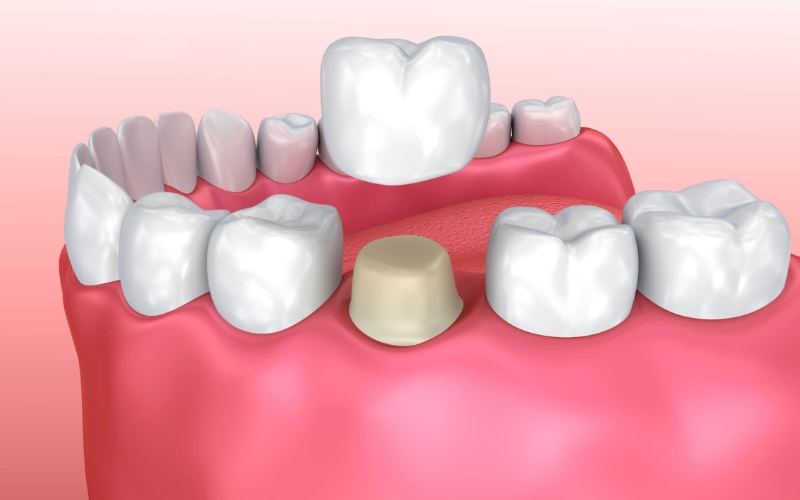
Not every cracked tooth needs extraction. If the root remains healthy, a dentist may recommend dental crowns in Airdrie to strengthen and protect the tooth before the damage worsens.
- It covers weakened enamel: The crown acts like a protective shield.
- It prevents crack progression: It helps stop the fracture from spreading further.
- It restores chewing function: You can eat more comfortably again.
- It reduces sensitivity: Covered teeth often become less reactive to hot and cold foods.
- It supports long-term function: Crowns help preserve natural teeth whenever possible.
Symptoms That Should Not Be Ignored
Cracked teeth are tricky because symptoms are often inconsistent. Some people feel pain daily, while others notice discomfort only when eating certain foods. Recognizing early warning signs can help prevent more serious damage.
- Pain while chewing: You may feel discomfort when biting down or releasing pressure.
- Temperature sensitivity: Hot coffee or cold drinks may suddenly trigger pain.
- Swollen gums: Irritation around a single tooth may indicate more serious damage.
- Visible lines or chips: You might notice a crack when looking closely in the mirror.
- Pain that comes and goes: Intermittent pain often causes people to delay treatment.
- Rough tooth edges: Your tongue may notice roughness before your eyes do.
What Happens If You Ignore a Cracked Tooth?
A crack rarely stays the same. Every meal, snack, and bite puts more pressure on the damaged tooth. Delaying care can create avoidable complications that become harder to treat later. What feels like mild sensitivity after grabbing a cold drink or enjoying something crunchy at CrossIron Mills can quickly become a bigger issue if left untreated. Teeth endure constant pressure throughout the day, and even small fractures can worsen faster than many people expect.
- The crack spreads deeper: Small fractures can extend into the inner layers of the tooth, weakening its overall structure.
- Bacteria enter the tooth: Cracks create openings that allow bacteria to reach the inner tooth and trigger infection.
- Pain becomes severe: Mild sensitivity may progress to sharp pain when chewing or drinking hot and cold beverages.
- The tooth may break further: Weakened teeth can chip or split unexpectedly during normal eating.
- Root damage may occur: Deep cracks can affect the root and may limit treatment options.
- Treatment becomes more complex: Early treatment is often simpler than waiting until the damage becomes severe.
Dental Crown Process: Step-by-Step
Many people feel nervous because they are unsure what happens during treatment. The process is often more straightforward than expected and is designed to protect your tooth efficiently.
If you have never had a crown before, knowing what happens can make the visit feel less intimidating. The goal is to restore strength while preserving as much of your natural tooth as possible. For busy families in Airdrie who are juggling work, school drop-offs, and weekends at Nose Creek Park, understanding the timeline helps you plan ahead and feel better prepared for treatment.
- Initial examination: A dentist checks the crack, reviews your symptoms, and evaluates whether the tooth can be restored with a crown.
- Digital imaging: X-rays may help determine how deep the damage goes and whether the root is affected.
- Tooth preparation: A small portion of the outer tooth is reshaped to make room for the crown.
- Impressions are taken: These help create a properly fitted crown that matches your bite.
- Temporary crown placement: This protects the tooth while the permanent crown is being made.
- Final crown placement: The permanent restoration is securely placed and adjusted for comfort.
How to Lower Your Risk of Future Cracks
While not every crack can be prevented, healthy habits can reduce your risk significantly. Small changes today can help protect your oral health for years.
- Avoid chewing ice: Ice creates unnecessary stress on enamel.
- Wear a sports mouthguard: Helpful for hockey, skating, and other local recreational activities.
- Treat teeth grinding: Nightguards may help protect teeth during sleep.
- Do not use teeth as tools: Avoid opening packaging with your teeth.
- Stay current with dental visits: Routine care helps catch problems early.
- Address small issues quickly: Chips and sensitivity should never be ignored.
Protect Your Tooth Before the Damage Gets Worse
A cracked tooth may seem manageable today, but waiting often leads to bigger issues. Pain can increase, infections can develop, and treatment may become more involved than necessary.
At South Airdrie Smiles, patients receive care focused on protecting natural teeth whenever possible. If you notice pain, sensitivity, or visible damage, call us today to schedule a visit. Learn whether dental crowns in Airdrie may help prevent further complications.
Questions People Ask About Dental Crowns
1. Can a cracked tooth heal without treatment?
No, a cracked tooth cannot heal on its own because enamel does not regenerate. Even a minor crack can deepen with everyday chewing, allowing bacteria to enter the tooth. Early treatment helps prevent infection, severe pain, or tooth loss.
2. Does every cracked tooth need a crown?
Not always. Treatment depends on how deep the crack is and whether it affects the inner tooth structure. Minor cracks may only need bonding or monitoring, while larger fractures often require a crown to protect the tooth.
3. How long can I wait before treating a cracked tooth?
Waiting too long can make the problem worse. Cracks often expand with regular eating, temperature changes, and grinding habits. Getting it checked quickly can help save the tooth before the damage reaches the root.
4. Can I still eat with a cracked tooth?
You may still be able to eat, but it is safer to stick to soft foods until your appointment. Avoid hard, crunchy, sticky, or very hot and cold foods, as they can worsen the crack and increase discomfort.
5. Are cracked teeth common in children?
Yes, children can crack teeth from sports injuries, playground falls, biking accidents, or chewing hard foods. Since kids may not always mention pain right away, parents should watch for sensitivity, swelling, or visible chips.
6. Can grinding teeth damage crowns too?
Yes, teeth grinding places heavy pressure on both natural teeth and crowns. Over time, it can wear down the restoration or cause damage. A dentist may recommend a custom nightguard to protect your smile while you sleep.