
South Airdrie Smiles
Can Dental Bridges Fix Multiple Missing Teeth? What You Should Know
Missing multiple teeth can change your daily routine faster than most people expect. You may start avoiding certain foods, speaking less confidently, or chewing on one side of your mouth without realizing it. Even simple moments like grabbing coffee near Cooper’s Crossing or enjoying dinner after a busy day in Airdrie can feel different when your smile is not functioning the way it should.
Many people assume losing several teeth automatically means dentures or implants. That is not always the case. In many situations, bridges can effectively restore multiple missing teeth. If you are researching dental bridges in Airdrie, understanding how they work can help you ask better questions before choosing treatment.
How Dental Bridges Replace More Than One Missing Tooth
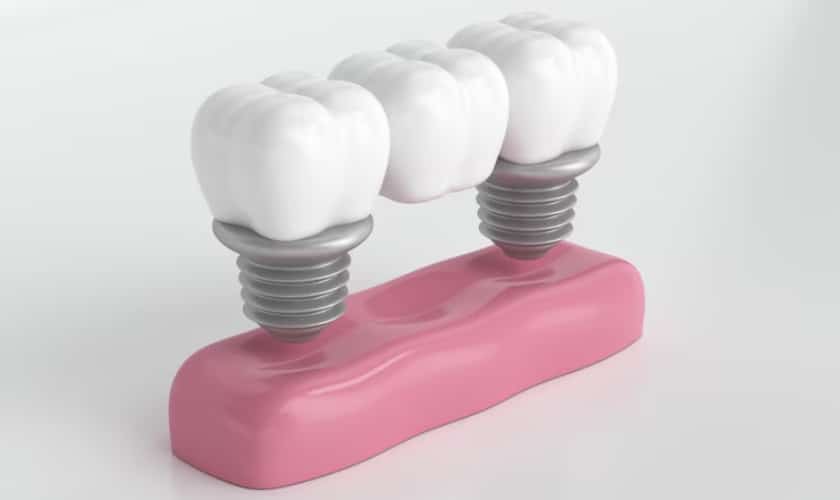
When several teeth are missing in a row, a bridge can fill the gap using artificial teeth supported by nearby natural teeth or dental implants. The exact design depends on your oral health, the number of missing teeth, and where they are located.
- Pontics (replacement teeth): These artificial teeth fill the empty spaces and are designed to match your natural smile.
- Supporting teeth: Natural teeth on either side may hold crowns that support the bridge.
- Implant support: If natural teeth are not strong enough, implants may be used for stability.
- Fixed placement: Unlike removable appliances, dental bridges in Airdrie stay in place and function like natural teeth.
When a Bridge Is a Practical Option
Not every case of tooth loss is the same. A dentist evaluates your mouth carefully before recommending a bridge. The goal is to ensure the restoration can withstand daily chewing pressure and last over the long term.
- Missing teeth are side by side: Bridges typically work best when teeth are missing in one continuous area.
- Healthy surrounding teeth: The nearby teeth need sufficient strength to support crowns if implants are not used.
- Healthy gums: Gum disease can weaken the foundation needed for successful treatment.
- Stable jawbone: Bone support matters, especially if implant-supported bridges are being considered.
- Good oral hygiene habits: Long-term success depends on proper care at home.
When To Look for Other Treatment Options?
Sometimes a bridge is not the right answer. If too many teeth are missing or oral health issues exist, another treatment may better protect your long-term health.
- Teeth missing in different areas: A bridge cannot span multiple unrelated gaps.
- Weak surrounding teeth: Supporting teeth must be strong enough to withstand pressure.
- Severe gum disease: If you have gum disease, it needs treatment first.
- Significant bone loss: This can limit treatment choices.
- Heavy teeth grinding: Excess grinding pressure may damage a bridge.
Different Types of Bridges You Might Hear About
There is no one-size-fits-all bridge. Your dentist may recommend different options depending on where teeth are missing and how much support is available.
- Traditional bridge: Uses crowns on both sides of the gap and is the most common option.
- Cantilever bridge: Uses support from one side only and works in limited situations.
- Maryland bridge: Uses bonding wings and is often used for front teeth.
- Implant-supported bridge: Uses implants instead of natural teeth for stronger support.
What Daily Life Feels Like After Treatment
One of the biggest questions people ask is whether life feels normal after getting a bridge. In most cases, patients adjust quickly and enjoy restored function.
- Eating feels easier: Chewing becomes more balanced and comfortable.
- Speech improves: Missing teeth can affect pronunciation. Bridges often help restore clarity.
- Smile confidence returns: Many people feel more comfortable in social settings again.
- Teeth stay aligned: Bridges help prevent nearby teeth from shifting.
How to Make Your Bridge Last Longer
A dental bridge is built to restore function and appearance, but its lifespan depends heavily on how well you care for it after treatment. While bridges are durable, they still rely on healthy surrounding teeth and gums for long-term support. Ignoring daily care can lead to decay, gum issues, or damage that may shorten the life of your restoration.
- Brush twice daily: Use a soft-bristled toothbrush and fluoride toothpaste to clean your teeth thoroughly. Pay extra attention to the area around your bridge to prevent plaque buildup.
- Clean underneath the bridge: Food particles can get trapped beneath the artificial tooth. Floss threaders, interdental brushes, or a water flosser can help keep the area clean.
- Avoid chewing hard objects: Ice, hard candies, pen caps, and similar items can crack or loosen your bridge over time.
- Wear a nightguard if needed: If you grind your teeth while sleeping, a custom nightguard can protect your bridge from unnecessary pressure.
- Schedule regular dental visits: Routine checkups help your dentist monitor your bridge and catch small issues before they become bigger problems.
Signs You Should Not Delay Replacing Missing Teeth
Many people wait because missing teeth may not seem urgent at first. Over time, the effects often become more noticeable.
- Difficulty chewing certain foods: You may avoid tougher foods entirely.
- Shifting teeth: Nearby teeth can move into open spaces.
- Jaw discomfort: Bite changes can create strain.
- Speech changes: Missing teeth may affect pronunciation.
- Facial changes: Long-term tooth loss may affect facial structure.
A Long-Term Smile Decision Worth Making Carefully
Replacing multiple missing teeth is not just about appearance. It affects how you eat, speak, and maintain oral health over time. The right treatment depends on your specific situation, not what worked for someone else.
If missing teeth are affecting your daily life, South Airdrie Smiles can help you understand whether a bridge makes sense for your needs. A proper evaluation can help you move forward with clarity and confidence before the gaps create bigger problems.
Questions People Ask About Dental Bridges
1. Can a bridge replace three missing teeth?
Yes, a bridge can often replace three missing teeth if the surrounding teeth are healthy enough to support it. In some cases, implant-supported bridges may be recommended when additional stability is needed for long-term function.
2. Are bridges removable?
Most dental bridges are fixed, meaning they stay securely in your mouth and do not need to be removed daily like dentures. They are designed to feel stable while helping you eat, speak, and smile more comfortably.
3. How long does treatment take?
The process usually takes two to three visits over a few weeks. Your dentist may need time for examinations, tooth preparation, impressions, and the placement of the final bridge to ensure it fits properly.
4. Can bridges replace front teeth?
Yes, bridges can replace front teeth and help restore your smile’s appearance. They can also improve speech clarity and prevent nearby teeth from shifting into the empty space over time.
6. What if I am missing teeth on both sides of my mouth?
When missing teeth are spread across different areas, a traditional bridge may not be the right option. Your dentist may recommend alternatives like implants or dentures based on your overall oral health.