
South Airdrie Smiles
Can Invisalign Fix Crowded Teeth? Boost Your Confidence and Social Life in Airdrie
Crowded teeth can affect everyday moments more than people realize. You might notice it when smiling in photos at Nose Creek Park, chatting with friends at a café on Main Street, or speaking during work meetings in Calgary. Even mild crowding can make people feel self-conscious in social situations where confidence matters.
Beyond appearance, crowded teeth can also create oral health challenges. Overlapping teeth are harder to clean and may contribute to plaque buildup, uneven wear, and gum irritation. Many people researching treatment options eventually ask whether clear aligners can help, and for many individuals considering Invisalign in Airdrie, the answer may be yes.
Why Do Teeth Become Crowded?
Crowded teeth rarely happen overnight. In many cases, they develop gradually due to genetics, childhood habits, or changes in jaw alignment over time. Understanding the cause can help you better understand why treatment may be necessary and what your dentist or orthodontist may recommend.
- Genetics and Jaw Size:
Some people naturally inherit smaller jaws that do not leave enough room for all permanent teeth to erupt properly. - Early Loss of Baby Teeth:
Losing baby teeth too early may allow surrounding teeth to shift into spaces they shouldn’t occupy. - Thumb Sucking or Tongue Habits:
Childhood habits can influence jaw growth and tooth positioning. This can be reversed with an Invisalign in Airdrie. - Wisdom Teeth Pressure:
In some cases, erupting wisdom teeth may contribute to shifting. - Natural Age-Related Movement:
Teeth can gradually move as people age, even if they once had straight teeth.
How Crowded Teeth Can Affect Daily Life
Crowded teeth are often dismissed as a cosmetic concern, but their impact can go far beyond appearance. When teeth overlap or shift out of place, everyday tasks like eating, speaking, and maintaining oral hygiene can become more challenging. Over time, these small inconveniences may lead to bigger oral health issues and even affect how comfortable you feel in social situations.
- Difficult Cleaning:
Tight spaces between crowded teeth can make brushing and flossing less effective. This may leave plaque and food particles in hard-to-reach areas. - Higher Plaque Buildup Risk:
Overlapping teeth often create hidden spaces where bacteria can collect, increasing the chances of cavities, gum irritation, and bad breath. - Speech Concerns:
Some people feel self-conscious about how their teeth affect pronunciation, especially during presentations, interviews, or social conversations. - Uneven Tooth Wear:
Misaligned teeth may place excess pressure on certain areas, causing uneven wear and potential discomfort while chewing. - Lower Confidence in Social Settings:
Feeling hesitant to smile in photos or conversations can impact relationships, work interactions, and self-esteem.
How Clear Aligners Help Fix Crowding
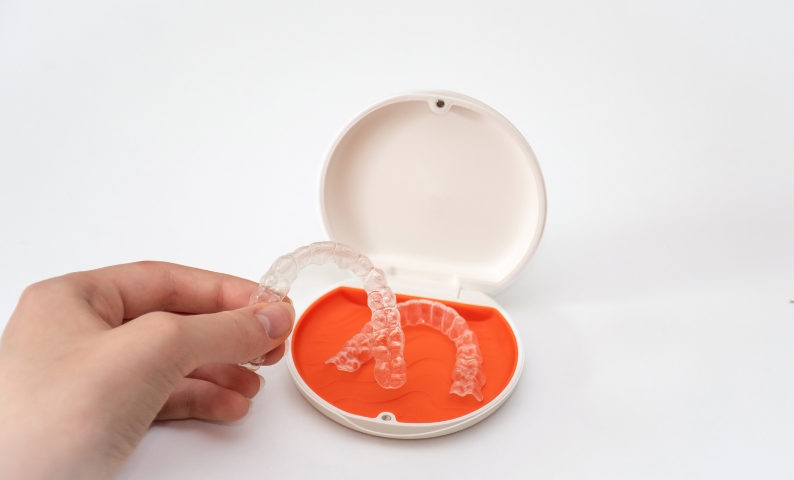
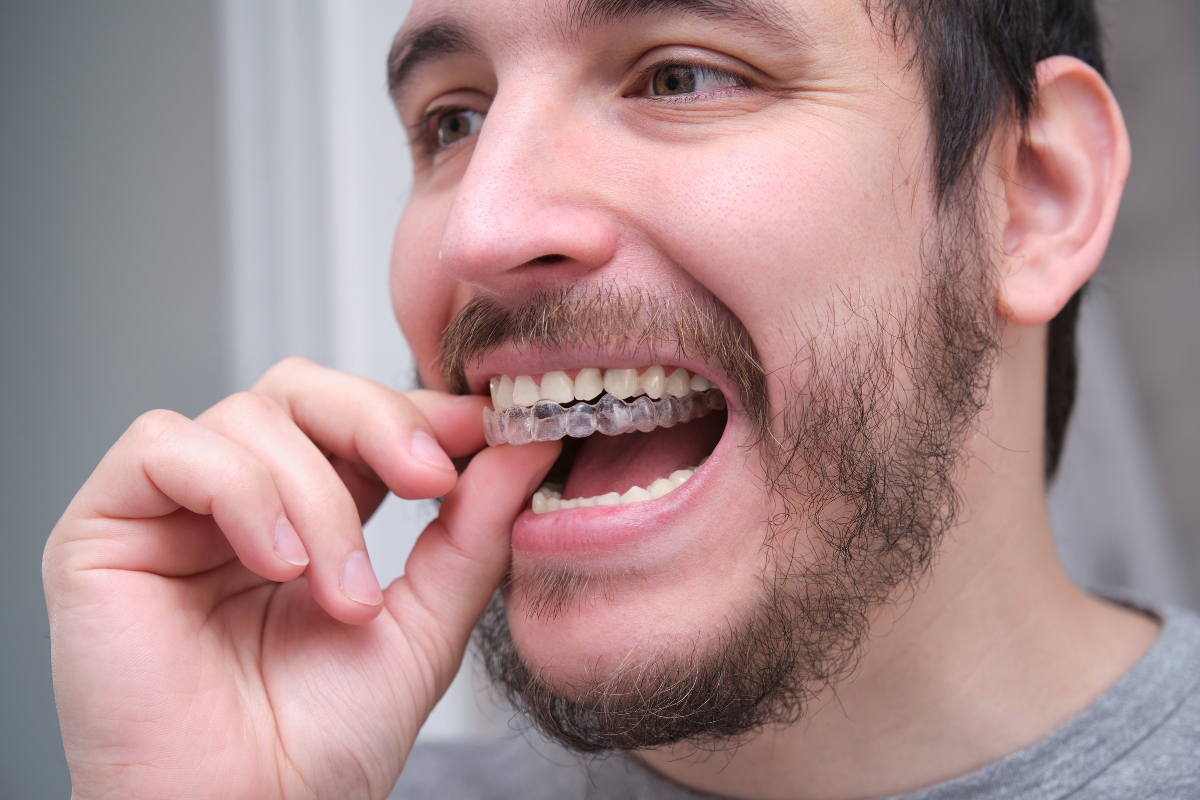
Clear aligners gradually move teeth into healthier positions using customized trays created by a dentist or orthodontist. They are often recommended for mild to moderate crowding and can offer a discreet alternative to traditional braces.
- Custom Treatment Planning:
Digital scans help create personalized movement plans. - Gradual Tooth Movement:
Teeth shift little by little over time. - Nearly Invisible Appearance:
Many adults prefer a less noticeable option. - Removable Convenience:
Aligners can be removed while eating and brushing. - Improved Smile Alignment:
Straighter teeth often improve both function and appearance.
Signs You Should Consider Treatment
Many people put off treatment because they believe their crowded teeth are “not that bad” or think the issue is purely cosmetic. In reality, even mild crowding can lead to oral health concerns and affect your confidence over time. If you notice any of the following signs, it may be worth speaking with a dental professional about your options.
- Teeth Overlap Noticeably:
When teeth sit on top of each other or appear twisted, cleaning becomes more difficult. Overlapping teeth can also worsen gradually as surrounding teeth shift. - Frequent Food Trapping:
If food often gets stuck between certain teeth after meals, crowding may be creating tight spaces that are difficult to clean properly. - Difficulty Flossing:
Struggling to floss between teeth can be a sign that there isn’t enough space for proper oral hygiene, increasing the risk of plaque buildup. - Jaw Discomfort:
Crowded teeth may affect your bite alignment, which can sometimes lead to pressure, soreness, or discomfort while chewing. - Avoiding Photos:
If you hide your smile in selfies, family pictures, or social gatherings, crowded teeth may be affecting your self-confidence more than you realize.
What Treatment Looks Like
Knowing what happens during treatment can make the process feel less overwhelming. While every treatment plan differs, most follow a predictable process.
- Initial Consultation: A dentist or orthodontist evaluates your teeth.
- Digital Scanning: Modern imaging helps map tooth movement.
- Custom Aligner Creation: Trays are made specifically for your teeth.
- Routine Progress Visits: Check-ins ensure treatment stays on track.
- Retention Phase: Retainers help maintain results after treatment.
Daily Habits That Support Better Results
Successful treatment depends on consistency. Small daily habits can make a big difference in how smoothly your treatment progresses.
- Wear Aligners as Directed: Follow your provider’s recommendations carefully.
- Brush After Meals: Keep teeth clean before reinserting aligners.
- Clean Trays Properly: Prevent staining and bacterial buildup.
- Attend Follow-Up Appointments: Regular monitoring helps avoid delays.
- Protect Your Results: Wear retainers after treatment ends.
A Straighter Smile Can Change More Than Your Teeth
Crowded teeth can affect your confidence, oral health, and comfort in everyday social situations. Understanding your treatment options helps you make informed decisions about your long-term oral health.
At South Airdrie Smiles, patients can meet with a dentist to learn whether clear aligners are the right fit for their needs. If crowded teeth have been affecting your confidence, booking a consultation with us could be your first step toward feeling more comfortable with your smile.
Questions People Ask About Invisalign
1. Can clear aligners fix severe crowding?
Clear aligners can treat many mild-to-moderate cases. Severe crowding may require braces, extractions, or additional orthodontic treatment. A dentist or orthodontist can evaluate your condition and recommend the most suitable treatment plan.
2. How long does treatment usually take?
Treatment time varies depending on the degree of tooth movement required. Some people finish within months, while others require longer treatment. Consistently wearing aligners helps keep progress on schedule and supports better final results.
3. Are aligners uncomfortable?
Most patients feel mild pressure when starting a new set of aligners. This usually fades after a few days and indicates that teeth are shifting. Persistent pain should be discussed with your provider.
4. Can I eat while wearing aligners?
Aligners should typically be removed before eating or drinking anything other than water. This helps prevent staining and protects the trays from damage during meals.
5. Will treatment affect my speech?
Some people notice a slight lisp during the first few days. Most adjust quickly, and speech usually returns to normal after regular wear.
6. Why do I need retainers afterward?
Teeth naturally shift over time. Retainers help maintain your alignment results and protect the progress made during treatment.