
South Airdrie Smiles

How To Eat Chocolate Without Damaging My Oral Health
Chocolate’s rich flavor is a universal mood booster, but can we indulge this sweet treat without sacrificing oral health and a healthy smile? The answer is yes! By making informed choices and practicing mindful habits, you can navigate the world of chocolate while keeping your teeth and gums happy. This guide will help you do just that.
Power of Dark Chocolate
Dark chocolate is the clear winner when it comes to oral health. Unlike milk chocolate, it boasts a higher cocoa content (ideally 70% or more) and less sugar. This translates to several advantages for your smile:
Reduced Sugar Impact
Sugar is the main cause of tooth decay. Bacteria in your mouth create acids that erode tooth enamel as they consume sugar. Dark chocolate’s reduced sugar levels help reduce this risk.
Potential Antibacterial Properties
Research indicates that cocoa might have antibacterial properties that could aid in fighting the proliferation of harmful bacteria in your oral cavity.
Antioxidant Powerhouse
Dark chocolate contains antioxidants that help fight inflammation and provide protection against gum disease, a chronic inflammatory condition that affects the gums and the bone that supports the teeth.
Making Smart Choices: Your Chocolate Selection Guide
In addition to choosing dark chocolate, here are some extra suggestions for making healthy decisions when it comes to chocolate:
Read the Label
Be a detective! Look for chocolates with a high cocoa percentage (ideally 70% or more) and minimal added sugar. Steer clear of white chocolate, which is low in cocoa and high in sugar.
Portion Patrol
Moderation is key, even with dark chocolate. Limit yourself to a small serving (around an ounce) to keep your sugar intake in check and avoid overdoing it.
Explore Variety
The world of dark chocolate offers diverse options! Experiment with different cocoa percentages and flavor profiles. Consider options with nuts, dried fruit, or spices for an exciting taste and textural experience.
Sugar-Free Options
Sugar-free chocolates sweetened with xylitol can be a substitute, but be mindful – too much sugar alcohol can have laxative effects.
Beyond Chocolate: Habits for a Healthy Smile
Chocolate selection is important, but your oral hygiene routine is crucial for a healthy smile. Here are some key practices:
Brushing Twice Daily
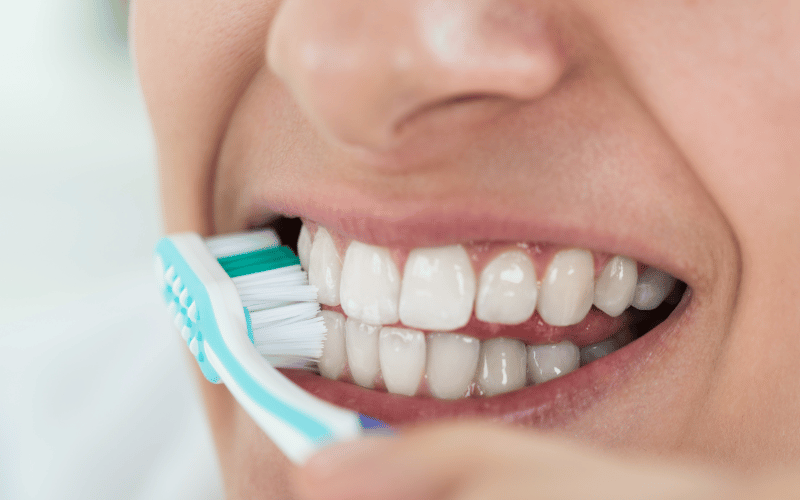
Thoroughly brush your teeth for two minutes, twice daily, using fluoride toothpaste. This action assists in eliminating plaque and food particles that can lead to tooth decay.
Flossing Daily
Daily flossing eliminates plaque and food particles lodged between your teeth, inaccessible to a toothbrush.
Regular Dental Checkups
Regular dental checkups and professional cleanings are crucial for maintaining good oral health. These visits allow your trusted Airdrie dentist to detect and address any potential issues early on, preventing them from becoming more serious problems down the line.
Additional Tips for a Chocolate-Friendly Oral Health Routine
Here are some additional tips to mitigate the potential drawbacks of enjoying chocolate:
Timing Matters
Opt to enjoy chocolate after a meal rather than as a standalone snack. Increased saliva production during meals can naturally help neutralize the effects of sugar on your teeth.
Rinse with Water
After indulging in chocolate, rinse your mouth thoroughly with water to eliminate any residual sugar particles.
Pair it with Cheese
Consider pairing your chocolate with cheese to counteract its acidity. Cheese can help neutralize the effects of chocolate on your teeth, making for a potentially tooth-friendly combination.
By incorporating these strategies, you can transform your chocolate indulgence into a guilt-free, smile-friendly experience. Remember to indulge in moderation, savor the rich taste of dark chocolate, prioritize good oral hygiene practices, and consult your dentist for personalized advice. With a little mindfulness and informed choices, you can enjoy your chocolate while maintaining a healthy smile!