

South Airdrie Smiles
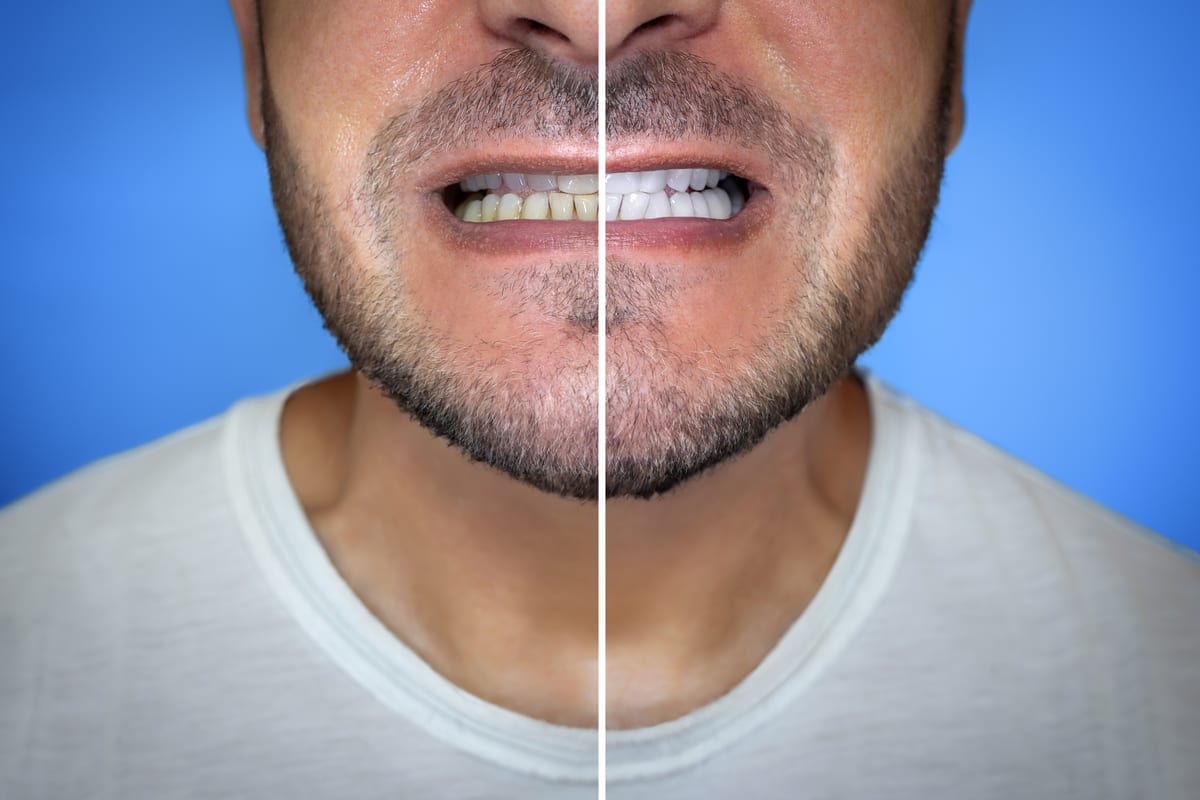
Teeth Whitening for Sensitive Gums in Airdrie
Many patients ask: is professional teeth whitening safe for sensitive gums in Airdrie? It is one of the most common questions we hear at South Airdrie Smiles. The honest answer depends on your oral health, the method used, and how your treatment is supervised. This article breaks down the facts so you can make an informed decision.
Understanding Teeth Whitening and How It Works
Professional teeth whitening uses a peroxide-based gel to break down stain molecules in your enamel. The concentration of hydrogen peroxide or carbamide peroxide varies between products. In-office treatments typically use stronger concentrations than take-home kits. That higher strength is also why professional supervision matters so much.
The whitening agent does not damage healthy enamel when used correctly. However, it can irritate soft tissue if it contacts your gums directly. At South Airdrie Smiles, Dr. Amrita Sandhu-Gill uses protective barriers and custom trays to minimize gum exposure. This careful approach is a key difference between professional and over-the-counter treatments.
Is Professional Teeth Whitening Safe for Sensitive Gums in Airdrie?
For most patients, the answer is yes — with the right precautions. Gum sensitivity after whitening is common but usually temporary. It typically fades within 24 to 48 hours after treatment. The key is identifying whether your gums are simply reactive or have an underlying issue.
Patients with healthy gums generally tolerate professional whitening very well. Those with gum disease, receding gums, or exposed root surfaces face a higher risk of discomfort. Whitening agents can seep into exposed dentinal tubules and cause sharp sensitivity. Your dentist should assess your gum health before recommending any whitening treatment.
Dr. Sandhu-Gill always performs a thorough oral exam before starting any Cosmetic Dentistry procedure, including whitening. This step helps identify risk factors early. It also allows the team to customize the treatment to your specific needs. Personalized care reduces the chance of discomfort significantly.
Protecting Your Enamel During Whitening Treatments
Enamel protection is just as important as gum safety. A common misconception is that whitening erodes enamel permanently. Research shows that professional-grade whitening does not cause permanent enamel damage when used as directed. The surface may feel temporarily porous, but it remineralizes quickly.
Here are key facts about enamel safety during whitening:
- Professional whitening gels are pH-balanced to reduce enamel risk
- Fluoride treatments before or after whitening strengthen enamel
- Custom-fitted trays prevent excess gel contact with soft tissue
- Overuse of whitening products is the most common cause of enamel wear
- Dentist-supervised treatments follow safe exposure limits
Over-the-counter strips and trays do not fit your mouth precisely. Poorly fitting trays allow gel to spill onto your gums repeatedly. This repeated exposure is what often leads to irritation and sensitivity. A custom tray from your dentist avoids this problem entirely.
Who Should Avoid Teeth Whitening?
Not every patient is a suitable candidate for whitening. Some conditions make whitening risky or ineffective. Your dentist needs to evaluate these factors before treatment begins. Here is a list of situations where whitening may not be recommended:
- Active gum disease or untreated periodontitis
- Severely receding gums with exposed root surfaces
- Cracked teeth or failing restorations
- Existing crowns, veneers, or bonding in visible areas (whitening does not change these)
- Pregnancy or breastfeeding
- Extreme tooth sensitivity that has not been assessed by a dentist
Patients with dental crowns or veneers should know that whitening agents do not lighten restorations. This can create an uneven colour result. Your dentist can advise whether whitening is practical for your smile. In some cases, alternative cosmetic options may be a better fit.
If you experience sudden tooth pain or gum swelling after any dental treatment, that may signal a dental emergency. Our team also offers Emergency Dentistry services for situations that need prompt attention. Do not wait if something feels wrong after a whitening session.
What to Expect During a Professional Whitening Appointment
Knowing what happens during treatment helps reduce anxiety. A professional whitening appointment at South Airdrie Smiles typically follows these steps:
- A pre-treatment exam to check enamel and gum health
- Placement of a protective barrier along the gumline
- Application of the professional-grade whitening gel to teeth
- Activation of the gel using a light or leaving it to work for a set time
- Removal of the gel and rinsing thoroughly
- A fluoride treatment to soothe any sensitivity
The entire process usually takes about 60 to 90 minutes. Most patients see noticeable results after just one session. Sensitivity after the appointment is possible but manageable. Your dentist will provide post-treatment care instructions to keep discomfort minimal.
Tips for Managing Sensitivity After Whitening
Some sensitivity after whitening is normal. There are simple steps you can take to reduce it. Following your dentist’s aftercare advice is the most important thing you can do. Here are some practical tips:
- Use a toothpaste formulated for sensitivity for at least one week post-treatment
- Avoid extremely hot or cold foods and drinks for 24 to 48 hours
- Do not eat acidic foods like citrus or vinegar-based items right after treatment
- Rinse with a fluoride mouthwash to support enamel remineralization
- Contact your dental office if sensitivity lasts longer than 48 hours
Persistent sensitivity beyond two days is not typical. It could indicate an underlying issue that needs professional attention. Do not ignore it or assume it will pass on its own. A quick follow-up with your dentist can identify the cause and provide relief.
Conclusion
Professional teeth whitening is safe for most patients, including those with mild gum sensitivity, when performed under professional supervision. The key is a thorough assessment, custom-fitted tools, and proper aftercare. At South Airdrie Smiles, Dr. Amrita Sandhu-Gill and the team take every precaution to protect your gums and enamel throughout the process. Airdrie patients deserve a whitening experience that is both effective and comfortable. Book Now to schedule your appointment with our team.
Frequently Asked Questions
Is teeth whitening safe if I already have sensitive gums?
It can be safe, but your dentist must evaluate your gum health first. Patients with mild sensitivity often tolerate professional whitening well. Those with active gum disease or severely receding gums may need treatment before whitening is appropriate. Always get a dental assessment before starting any whitening procedure.
How long does sensitivity last after professional whitening?
Most patients experience sensitivity for 24 to 48 hours after treatment. This is a normal and temporary response to the whitening gel. Using a sensitivity toothpaste and avoiding temperature extremes helps manage it. If sensitivity lasts longer than two days, contact your dental office.
Does professional whitening damage tooth enamel?
Research shows that professional-grade whitening does not permanently damage healthy enamel when used correctly. The enamel surface may feel temporarily more porous, but it remineralizes quickly. Fluoride treatments applied after whitening help speed up this process. Overuse of whitening products, not professional treatment, is what typically leads to enamel concerns.
Can I whiten my teeth if I have dental crowns or veneers?
Whitening agents do not change the colour of crowns, veneers, or bonded restorations. If you whiten natural teeth but have existing restorations in visible areas, the result may be uneven. Your dentist can review your specific situation and recommend the best approach. There may be alternative cosmetic options that deliver a more uniform result.
How often can I safely have professional teeth whitening done?
Most dentists recommend waiting at least six to twelve months between professional whitening sessions. Whitening too frequently increases the risk of sensitivity and soft tissue irritation. Your dentist can help you determine a schedule that keeps your results fresh without overexposing your teeth. Maintaining good oral hygiene and avoiding staining foods also helps your results last longer.