

South Airdrie Smiles
What Causes Tooth Decay & Cavities? – Its Symptoms and Treatments
Tooth decay, or cavities, is a common problem that affects people of all ages. It starts with the erosion of your tooth’s enamel, the hard outer layer, caused by acids produced by plaque bacteria feeding on sugar. Left untreated, this decay can lead to pain, infection, and even tooth loss. But the good news is, with knowledge of the symptoms, causes, and available treatments, you can take charge of your oral health and keep your smile healthy and bright.
What is a Cavity?
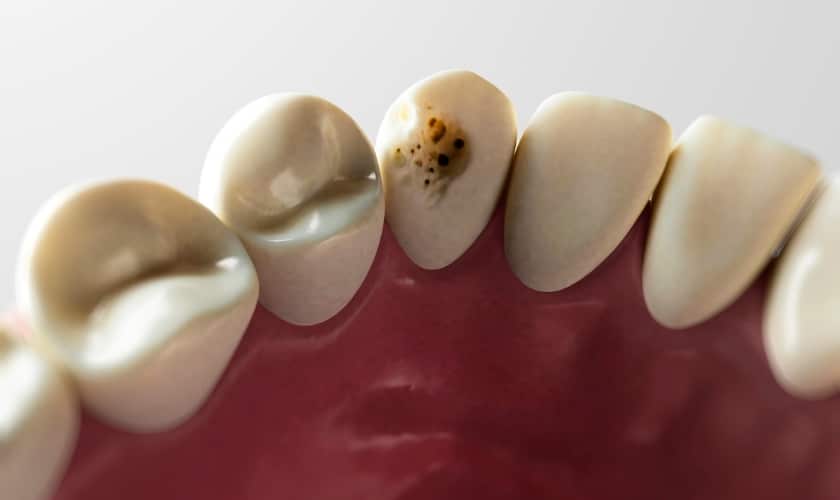
Tooth decay is a gradual process that weakens the hard outer shell of your teeth, the enamel. This weakening happens when bacteria in your mouth feed on sugar and produce acid. Over time, this acid eats away at the enamel, creating a hole or cavity in the tooth’s surface.
What Causes Cavities and Tooth Decay?
Tooth decay isn’t just about leftover food particles. It’s a battle between your teeth and plaque bacteria. When sugary or starchy foods get stuck between your teeth and aren’t brushed or flossed away, bacteria turn these particles into acid. This acid slowly eats away at your tooth enamel, creating cavities – those dreaded holes. The more sugar you consume, the more acid gets produced, accelerating the process. Left untreated, these cavities can grow and potentially destroy the entire tooth. Understanding the cause of tooth decay empowers you to fight back with proper oral hygiene and dietary choices, keeping your smile healthy and strong.
Common Causes of Tooth Decay and Cavities
Certain foods and drinks can contribute to tooth decay, especially those that cling to your teeth. Sugars and most cooked starchy foods are major plaque promoters, including milk, honey, raisins, hard candy, dry cereal, and bread.
Frequent snacking can also increase the risk of tooth decay. While some diets advocate for several small meals throughout the day to aid in weight loss, frequent snacking provides ample time for the acid in foods to damage your teeth. Brushing your teeth after eating not only removes plaque but can also help control snacking by leaving your mouth feeling cleaner.
Additionally, receding gums can heighten the risk of tooth decay. When gums recede, plaque can accumulate near the tooth roots, which lack the protection of enamel and are more susceptible to decay.
Signs and Symptoms of Tooth Decay and Cavities
The most common and effective treatment for tooth decay and cavities is a filling, which halts the cavity from progressing further. Therefore, if you notice any signs of tooth decay or a cavity, it is crucial to seek treatment from a dental professional promptly.
Products containing fluoride play a significant role in preventing tooth decay and cavities. Fluoride infiltrates weak spots in the enamel, aiding in the rebuilding of these areas before they deteriorate into cavities.
Cavity and Tooth Decay Treatment
The most immediate course of action is to schedule an appointment with your dental professional to have the cavity filled.
For individuals with dental fillings, it is essential to inspect them for signs of wear and tear as part of your daily dental health routine. Over time, the edges of dental fillings may become rough, and the filling material can weaken and degrade. Rough or weakened fillings may impede plaque removal as plaque can accumulate in these areas.
When Fillings are Needed
If tooth decay has progressed beyond eroding the enamel and has resulted in holes in your teeth, your dentist will likely recommend a filling. During the filling procedure, your dentist will remove the decayed material from the tooth and replace it with an alternative material to restore the tooth’s shape. Fillings can be composed of tooth-colored resins or a combination of materials, including amalgam, which may contain mercury. While some individuals express concerns about the potential health effects of mercury in amalgam fillings, medical studies have demonstrated that amalgam fillings are generally safe for most people. If you have concerns, it’s advisable to discuss different filling options with your dentist.
When Crowns are Needed
If tooth decay is severe, your dentist may opt for a crown rather than a filling to address the damage. Dental crowns are larger than fillings and cover the entire top portion of the tooth once the decayed area is removed. They are typically crafted from materials like porcelain, gold, or a combination of porcelain and metal.
Regardless of the type of filling or crown you have, it’s important to maintain a comprehensive oral care routine, including brushing your teeth twice daily and flossing daily. This routine helps remove plaque and prevents future tooth decay. Numerous products are available to aid in cleaning around dental work such as fillings and crowns. Generally, fillings and crowns should not require replacement unless they exhibit signs of wear, become loose, or are defective in some manner.
How to Prevent Cavities and Tooth Decay
To prevent tooth decay and cavities, several measures can be taken to strengthen your teeth:
- Eat Healthy: Follow a balanced diet and avoid sugary foods and drinks that fuel the bacteria in your mouth.
- Fluoride Toothpaste: Brush regularly with fluoridated toothpaste. Fluoride helps prevent cavities by slowing down enamel breakdown and accelerating the remineralization process. Scientific studies have shown fluoride to be one of the most effective ways to prevent tooth decay.
- Daily Flossing: Floss every day to remove plaque and food particles from areas between your teeth where a toothbrush cannot reach. This promotes healthy teeth and gums.
- Regular Checkups: Schedule an appointment for routine visits with your dentist approximately every six months for a professional cleaning and examination.
- Change Your Toothbrush: Replace your toothbrush when it appears worn or every three months, as newer bristles are more effective at removing plaque.
- Sealants: Deep grooves and pits in certain teeth, like molars, can be vulnerable spots for decay. Your dental team can apply a pit and fissure sealant, a shaded plastic material, to these areas. Once hardened, the sealant acts as a barrier, protecting the tooth surface from plaque and acids.
- Fluoride Supplements: Fluoride plays a crucial role in cavity prevention. Incorporate fluoride into your oral care routine by adding fluoride to your water or using a fluoride rinse. Fluoride supplements are also available to help maintain oral health and cleanliness.