

South Airdrie Smiles
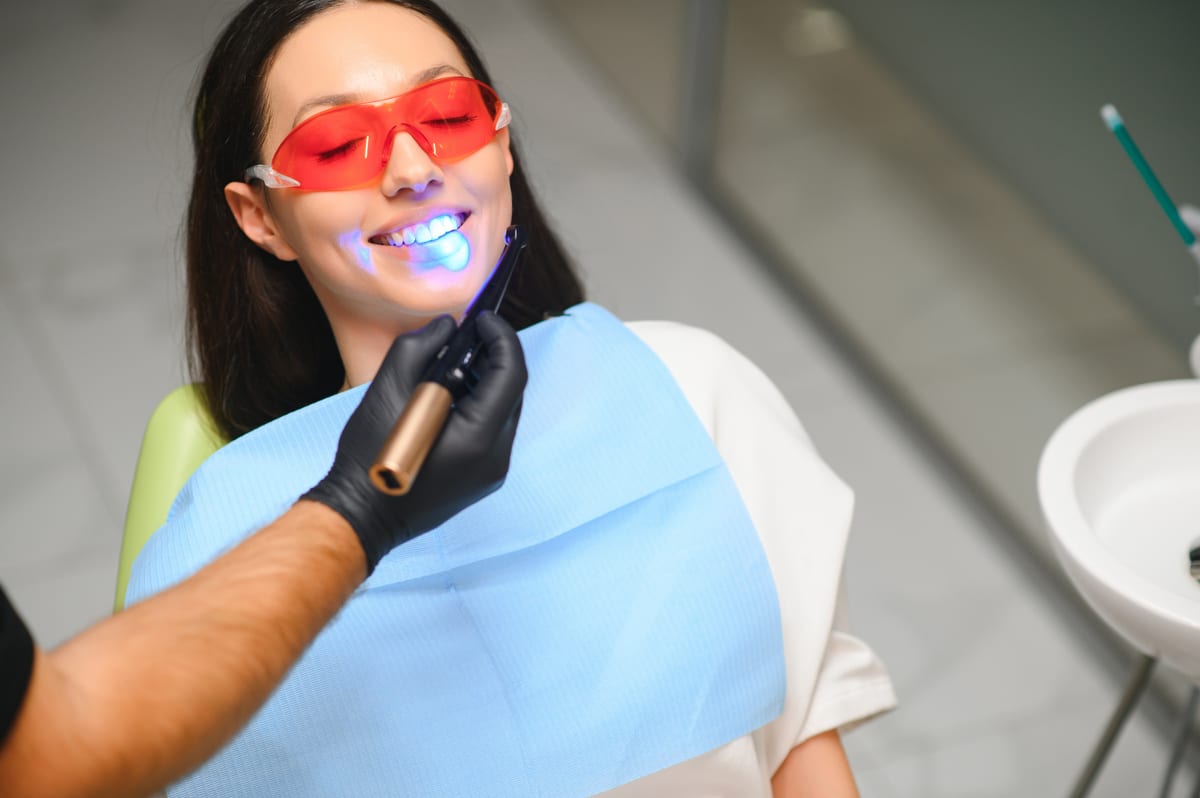
Why Your Teeth Whitening Isn’t Working: Stains Explained
If you’ve tried whitening strips, trays, or even professional treatments without great results, you’re not alone. Many Airdrie patients ask why their teeth whitening isn’t working — and the answer often comes down to the type of stain. Not all stains respond to whitening the same way. Understanding why your teeth whitening isn’t working, and what stains are involved, is the first step toward a brighter smile in Airdrie.
At South Airdrie Smiles, Dr. Amrita Sandhu-Gill helps patients understand their options clearly. This article breaks down the science behind dental stains and what you can realistically expect from whitening treatments.
Extrinsic Stains: The Surface-Level Culprits
Extrinsic stains sit on the outer layer of your tooth enamel. They develop from what you eat, drink, and habits like smoking. These are the stains that whitening treatments target most effectively.
Common causes of extrinsic staining include:
- Coffee, tea, and red wine
- Tobacco and cigarettes
- Dark-coloured sauces and foods like berries or soy sauce
- Poor brushing habits that allow surface buildup
Whitening agents like hydrogen peroxide work by penetrating enamel to break apart these pigmented molecules. If your stains are extrinsic, professional whitening often delivers noticeable results. Regular teeth cleaning appointments can also remove buildup that makes staining worse over time.
Why Intrinsic Stains Don’t Respond to Whitening in Airdrie
Intrinsic stains are embedded deep within the tooth’s inner layer, called dentin. These stains form inside the tooth structure itself. Whitening products simply cannot reach them effectively, no matter how strong the formula.
Intrinsic staining can happen for several reasons:
- Antibiotic use during childhood, especially tetracycline
- Excessive fluoride exposure during tooth development (fluorosis)
- Trauma or injury to a tooth that causes internal bleeding
- Aging, which naturally darkens dentin over time
- Certain health conditions or medications
This is a key reason why your teeth whitening isn’t working as expected. If the discolouration comes from within the tooth, bleaching agents stay on the outside and can’t make a meaningful difference. A dental examination helps identify whether stains are intrinsic or extrinsic.
Dr. Sandhu-Gill takes time to assess each patient’s staining type before recommending any treatment. This ensures you don’t invest time and money in a solution that won’t work for your situation.
Cosmetic Alternatives When Whitening Falls Short
If whitening won’t solve your staining problem, other cosmetic dentistry options can make a significant difference. These treatments work by covering or replacing the discoloured tooth surface entirely.
Dental veneers are thin porcelain shells bonded to the front of your teeth. They completely mask intrinsic staining, chips, and uneven surfaces. Veneers are one of the most popular solutions for patients with stubborn discolouration that whitening cannot fix.
Dental crowns are another option, especially when a tooth has been damaged or discoloured due to trauma or decay. A crown covers the entire visible tooth, restoring both appearance and function. This is ideal when the tooth itself has structural issues alongside discolouration.
Both veneers and crowns give you full control over your final shade. You choose a colour that suits your smile goals. Results are long-lasting and highly predictable compared to whitening treatments alone.
When to See a Dentist Before Whitening Again
It’s tempting to try another whitening kit when the first one doesn’t work. However, repeated whitening without understanding the stain type can cause more harm than good. Overuse of whitening products can lead to tooth sensitivity and enamel damage.
There are specific situations where you should consult a dentist before trying any whitening treatment:
- You’ve tried multiple products without any visible improvement
- Your staining appeared after a dental injury or medication
- You experience significant tooth sensitivity during or after whitening
- Your staining is grey or blue-toned rather than yellow or brown
Grey and blue-toned staining is almost always intrinsic. Yellow and brown tones may respond to whitening, but a professional assessment is still recommended. Dr. Sandhu-Gill can identify your stain type quickly and recommend the right path forward.
In some cases, patients visiting our office also ask about comfort during treatment. If dental anxiety is a concern, we can discuss your options, including Sedation Dentistry Airdrie, to make any procedure more comfortable for you.
What South Airdrie Smiles Recommends for Long-Term Results
The best whitening outcomes start with a proper diagnosis. Knowing your stain type saves you time, money, and frustration. At South Airdrie Smiles, we assess your teeth before recommending any whitening or cosmetic treatment.
For extrinsic staining, professional in-office whitening or custom take-home trays often produce excellent results. Combined with regular cleanings, these solutions keep surface stains under control over the long term.
For intrinsic staining, veneers or crowns provide reliable, lasting coverage. These options improve your smile’s appearance while also protecting the tooth structure. Dr. Sandhu-Gill will walk you through the entire process so you know exactly what to expect at every stage.
If a dental issue arises urgently — such as tooth pain alongside discolouration — our team also provides Emergency Dentistry Airdrie services. We’re here to help when you need us most.
Understanding why your teeth whitening isn’t working is empowering. You don’t have to keep guessing or spending money on products that aren’t right for your situation. Our team is ready to help you find a solution that truly works for your smile. Book Now to schedule your appointment with our team.
Frequently Asked Questions
Why isn’t whitening working on my teeth even after multiple treatments?
If multiple whitening treatments haven’t produced results, the stains are likely intrinsic — located inside the tooth rather than on the surface. Bleaching agents only affect surface enamel, so they cannot reach deep discolouration. A dental exam will identify the stain type and help you find a more effective solution.
Can veneers or crowns fix teeth that whitening didn’t help?
Yes. Veneers and dental crowns are excellent alternatives for intrinsic staining that doesn’t respond to whitening. Veneers cover the front surface of the tooth, while crowns cover the entire visible tooth. Both options allow you to choose your desired shade for a natural-looking result.
Is teeth whitening safe to try multiple times?
Using whitening products too frequently can lead to tooth sensitivity and enamel erosion over time. It’s best to consult a dentist before repeating treatments, especially if your first attempt didn’t work. A professional can assess your enamel health and stain type before recommending further whitening.
What causes grey or blue-toned tooth discolouration?
Grey or blue-toned staining is typically intrinsic. It is often caused by tetracycline antibiotic use during childhood, tooth trauma, or certain developmental conditions. This type of staining does not respond well to standard whitening and usually requires cosmetic solutions like veneers or crowns.
How do I know if my stains are intrinsic or extrinsic?
A dentist can usually identify stain type through a visual examination and patient history review. Extrinsic stains tend to be yellow or brown and are linked to diet and habits. Intrinsic stains are often grey, blue, or deeply set, and are linked to medications, trauma, or developmental factors. Dr. Sandhu-Gill at South Airdrie Smiles can assess your specific situation and recommend the right treatment path.