
South Airdrie Smiles
Cavities Treatment: Ways to Treat Cavities
Cavities in teeth aren’t merely a painful inconvenience that one can hope will disappear on their own. They necessitate specialized treatment aimed at removing damaged tooth structures, repairing decay damage, and alleviating the associated pain. In the following discussion, we will explore the various courses of action that your dental professional may suggest to treat cavities effectively.
Types of Cavities
When plaque accumulates due to inconsistent oral care practices like daily brushing and flossing, the likelihood of developing cavities increases. Regular visits to a dental professional are essential, as they can thoroughly examine your teeth for any issues, including cavities or symptoms of gum disease. Not all cavities are identical, and your dentist can provide insights into the type you have after a comprehensive examination using dental instruments. Additionally, they may employ X-rays to confirm areas of decay.
The three types of cavities are:
- Root decay is the most prevalent among older adults, particularly those with receding gums. It manifests on the surface of the teeth roots.
- Pit and fissure decay affects the chewing surfaces of the back teeth. Consistent tooth brushing can prevent it; however, if oral hygiene is inconsistent, this decay can quickly worsen.
- Smooth surface decay occurs on the flat outer surfaces of teeth due to plaque buildup and inadequate bacteria removal. It is the least severe type and may be treatable with fluoride. Regular and proper dental flossing can also positively impact this type of decay.
Cavities that form in the fissures on the chewing surfaces of the back teeth are known as occlusal cavities. These cavities often develop in areas of the back teeth that are difficult to reach during brushing, allowing cavity-causing bacteria to accumulate in the tooth grooves. Over time, these bacteria produce acids that damage the tooth surface, leading to the formation of cavities.
Cavity Treatments for Different Kinds of Cavities
Fortunately, there are a variety of treatment options available to address the problem of cavities in teeth. However, the most suitable treatment is typically determined by the severity of the cavity. It should be selected with the assistance of your dental professional, who can accurately assess the condition’s seriousness. Below, we’ll discuss treatment options ranging from the least to the most severe cavities.
The most common treatment for moderate to severe cavities is fillings. During this procedure, your dental professional drills into the affected tooth removes the decayed tissues within the cavity, and fills the drilled space with an appropriate material to restore the strength of your tooth structure. While most fillings are made with composite resin, other materials, such as gold or silver, may be used for occlusal cavities (cavities on back teeth) for enhanced durability. For interproximal cavities (cavities between teeth), your dentist may opt for composite resin on visible teeth to address aesthetic concerns and provide a more appealing appearance. Your dentist will determine the best option for treating your cavities based on their severity and location.
Saving Severely Infected Teeth with Crowns
In more extreme cases of tooth decay, when a significant portion of the tooth structure is lost, your dental professional may recommend crowns. Large fillings in severely infected teeth can leave them vulnerable to cracking and eventual breakage. To address this level of damage, your dental professional will endeavor to salvage what remains of the tooth, repair it, and ultimately cover it with an alloy or porcelain crown.
Root Canals—Solution for Cavities that Damaged Tooth Nerves
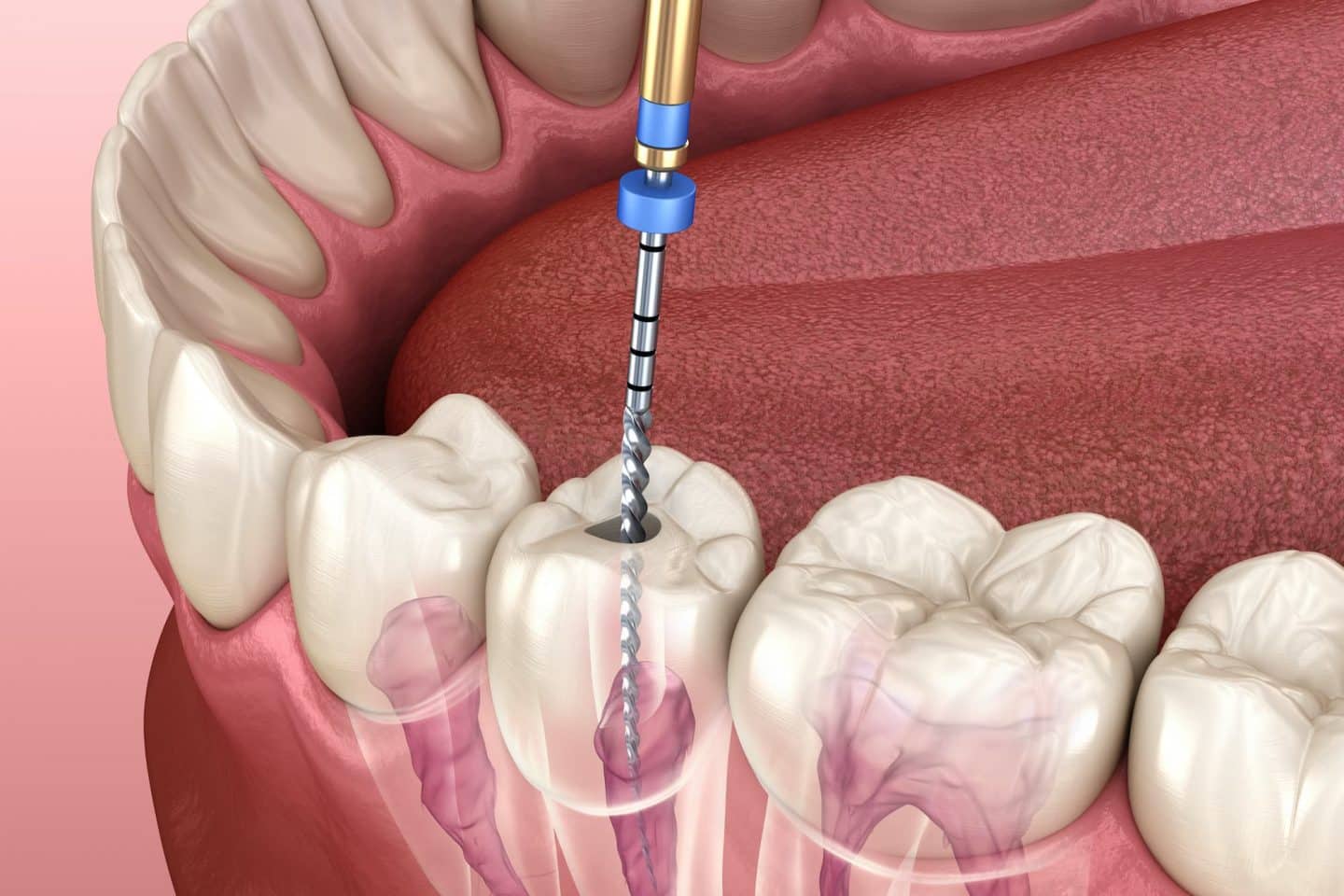
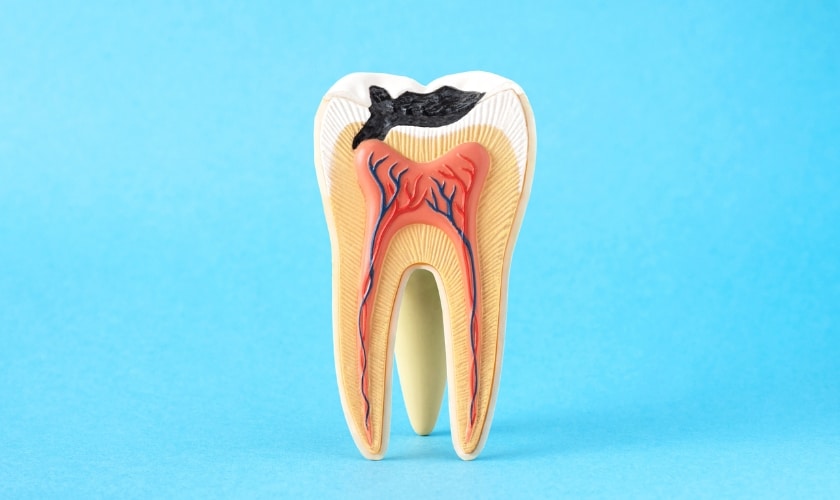
When the damage from a cavity in your tooth becomes too deep to be treated with previous methods, your dental professional may suggest a root canal treatment. As tooth decay progresses through the tooth’s protective enamel, it typically reaches the dentin, settling around the center of the tooth. Extensive decay that penetrates the dentin may result in damage to the nerves in the tooth root, necessitating a root canal treatment to address the issue. During the root canal procedure, your dentist will remove the damaged nerve and its surrounding blood vessel tissue, or pulp, and fill the area with an endodontic sealant. Suppose a significant portion of the tooth is removed during the root canal procedure. In that case, your dental professional may choose to place a crown over the affected tooth once the procedure is complete.
Extraction as a Last Resort
Tooth extraction is typically considered a last resort when other, cavities treatment proves insufficient to resolve the issue. This option is only considered if the destruction of tooth tissues increases the risk of infection spreading to the jawbone. For decayed teeth that are easily accessible, your dental professional may perform a simple extraction that does not require incisions or general anesthesia. Following a tooth extraction, an edentulous area, or gap between teeth, will be left behind. This gap can be addressed by inserting a partial denture, bridge, or implant in the space where the tooth once was.
Can Cavities Go Away?
In the battle against cavities, maintaining a good daily oral care regimen is paramount. It’s important to note that decay may be reversible with consistent brushing and fluoride use. Enamel can repair itself by utilizing minerals from saliva and fluoride from toothpaste or other sources. An anti-cavity fluoride toothpaste and electric toothbrush are highly effective tools for maximizing the benefits of your routine.
1. Discovering the ideal toothbrush for your needs:
Electric toothbrushes offer a range of options suitable for everyone, from teens to adults. Often recommended by dentists, electric toothbrushes utilize advanced technology that oscillates, rotates, and pulsates to break up and remove plaque from teeth effectively. Enhance your brushing experience by pairing your electric toothbrush with an advanced brush head, such as the Oral-B CrossAction brush head. This specialized brush head has been shown to remove up to 100% more plaque along the gum line compared to a regular manual toothbrush.
2. Dedicate two minutes to brushing your teeth twice a day:
Allocate at least 30 seconds to each quadrant of your mouth. Brush diligently for approximately 2 minutes during each session, ensuring thorough cleaning of every surface of every tooth.
3. Incorporate fluoride toothpaste and rinse into your dental care routine:
Fluoride is renowned for its benefits to dental health. Dental professionals highly recommend using fluoride toothpaste, as it has been proven to significantly reduce cavities by fortifying the hard tissues of your teeth. If you are at an elevated risk of developing cavities, your dental professional may suggest supplementing your oral health care routine with fluoride mouthwash and daily flossing. Additionally, consider discussing the possibility of receiving a professional fluoride treatment during your next dental visit for an added layer of protection against cavities.
4. Don’t forget to floss:
Flossing helps eliminate food particles and plaque that brushing alone may not reach.
5. Make it a habit to visit your dental professional for a checkup twice a year:
Regular professional cleanings and polishings not only maintain the brightness of your smile but also allow for the removal of stubborn plaque and tartar. During these appointments, a comprehensive visual examination can detect small issues before they escalate into larger ones. At the same time, X-rays unveil potential problems that may not be visible to the naked eye. Additionally, your dental professional can offer valuable advice regarding the most suitable oral care products for your individual needs.