
South Airdrie Smiles

Signs and Symptoms of Root Canal Infection: What You Need to Know
Root canal infection, also known as pulpitis, occurs when bacteria invade the pulp tissue inside a tooth, leading to inflammation and infection. While some cases of root canal infection may present with noticeable symptoms, others may progress without causing significant discomfort. Understanding the signs and symptoms of a root canal infection is crucial for prompt diagnosis and treatment. In this comprehensive guide, we’ll explore the common indicators of root canal infection and what steps you should take if you suspect you may have one.
Understanding Root Canal Infection
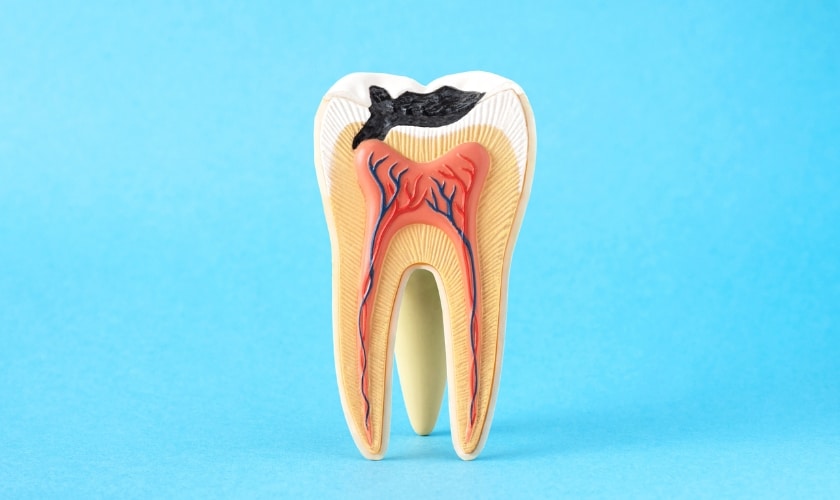
Before delving into the signs and symptoms, let’s briefly review what pulpitis entails. The pulp tissue inside a tooth contains nerves, blood vessels, and connective tissue. When this pulp tissue becomes infected due to bacteria entering the tooth through decay, trauma, or other factors, it can lead to pulpitis. If left untreated, the infection can spread to the surrounding tissues and result in serious complications.
Signs and Symptoms of Root Canal Infection
- Tooth Pain: Persistent or throbbing tooth pain is one of the primary indicators of pulpitis. The pain may be localized to the affected tooth and may worsen with chewing or biting down. In some cases, the pain may radiate to the surrounding jaw or ear.
- Sensitivity to Temperature: Increased sensitivity to hot or cold temperatures, particularly when consuming food or beverages, is a common symptom of pulpitis. The tooth may react strongly to temperature changes, causing sharp, shooting pain.
- Swelling and Tenderness: Swelling of the gums or face near the affected tooth is another sign of pulpitis. The gums may appear red, swollen, or tender to the touch. In severe cases, the swelling may be accompanied by the formation of a pimple-like bump (abscess) on the gums.
- Discoloration of the Tooth: A tooth affected by pulpitis may undergo changes in color, becoming darker or appearing grayish in hue. This discoloration occurs as a result of the breakdown of pulp tissue and the infiltration of bacteria and debris into the tooth structure.
- Bad Breath or Foul Taste: An unpleasant odor or taste in the mouth, often described as foul or metallic, may indicate the presence of infection within the tooth. Bacteria associated with pulpitis can produce gases and byproducts that contribute to bad breath.
- Loose Tooth: In advanced cases of pulpitis, the tooth may become loose or mobile due to damage to the surrounding bone and ligaments. This looseness may be accompanied by pain and discomfort when biting or chewing.
- Abscess Formation: In some instances, a root canal infection may lead to the formation of an abscess, a pus-filled sac that develops at the tip of the tooth’s root. Abscesses are typically accompanied by severe pain, swelling, and fever and require immediate dental attention to prevent further complications.
What to Do If You Suspect a Root Canal Infection
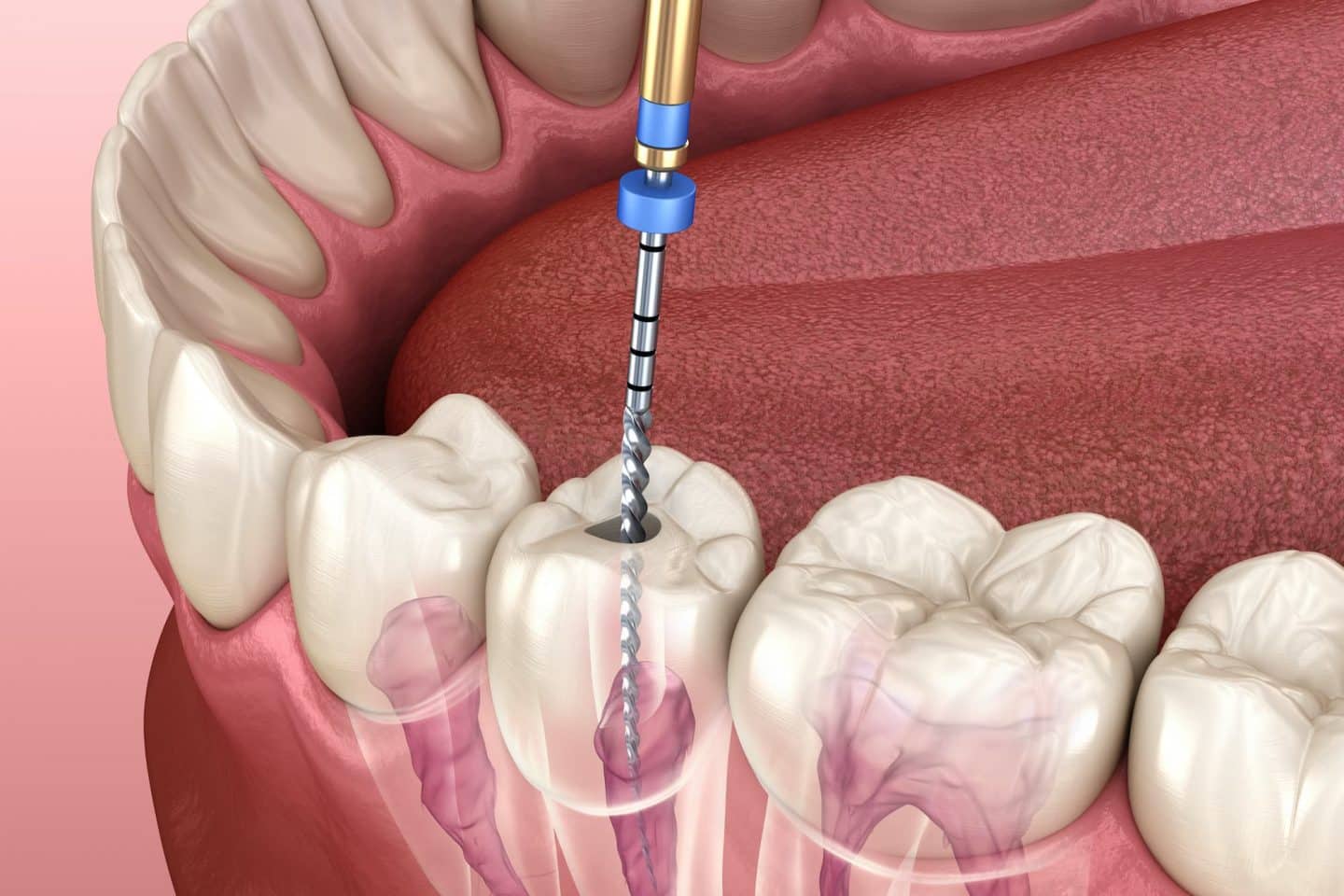
If you experience any of the signs and symptoms mentioned above, it’s essential to seek prompt evaluation by a dental professional. Your dentist will perform a thorough examination, which may include X-rays, to assess the extent of the infection and determine the appropriate course of treatment. Depending on the severity of the infection, treatment options may include root canal therapy to remove the infected pulp tissue, antibiotics to control the spread of infection, or in severe cases, extraction of the affected tooth.
Root canal infection can cause significant discomfort and may lead to serious oral health issues if left untreated. By recognizing the signs and symptoms of pulpitis and seeking timely dental care, you can prevent the spread of infection and preserve the health and function of your teeth. Remember to maintain good oral hygiene habits, including regular brushing, flossing, and dental check-ups, to minimize the risk of pulpitis and other dental problems. If you suspect you may have a root canal infection, don’t delay—schedule an appointment with your dentist as soon as possible for evaluation and treatment. Your smile and overall well-being depend on it.