

South Airdrie Smiles
Navigating Your Way Around Tonsil Stones
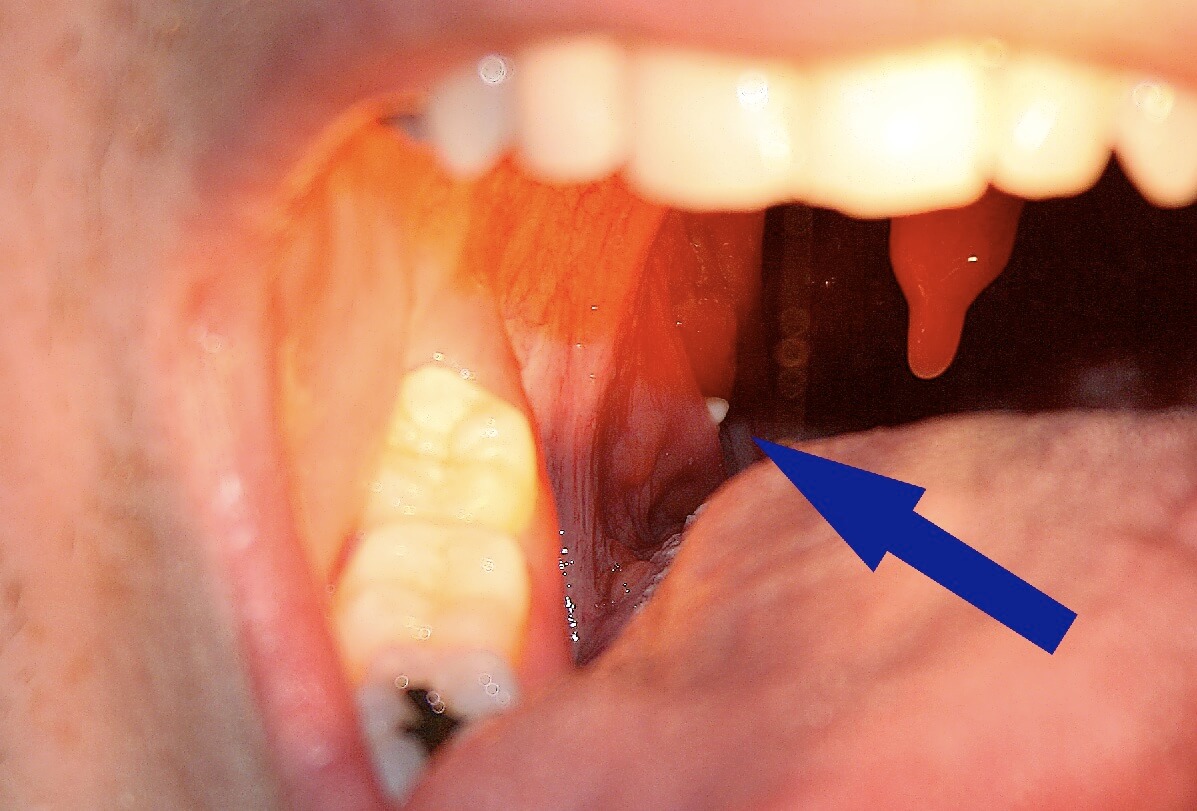
Tonsilloliths, commonly known as tonsil stones, are when accumulated debris of bacteria, cells or food particles are calcified on your palatine tonsils. Microorganisms, food and mucus can get trapped together in the nooks and crannies of your tonsils. If this becomes concentrated, it causes tonsil stones. Some people who suffer from tonsil stones report swelling of their palatine tonsils and a sore throat. Others notice nothing more than bad breath, possibly severe halitosis. In severe cases, tonsil stones become massive, causing the blockage of your airways.
Looking at pictures of patients with tonsil stones can be alarming. The treat and appropriate treatment required for tonsilloliths vary depending on their severity and size. When left untreated, these clumps become catalysts for tooth decay, gum problems, and other types of oral infections.
Who’s at risk?
People with terrible oral hygiene are the most vulnerable. Tonsil stones are more likely to appear when you neglect proper brushing habits. Individuals less likely to visit their dentists for cleaning and consultation are equally susceptible. Someone who is a heavy smoker will also have a high risk of getting this condition. When you smoke, you produce less saliva, and blood flow in your gums are hampered. To put it simply, your mouth is more prone to tonsil stones-causing bacteria when exposed to nicotine and other harmful substances found inside the cigarette. Those prone to tonsillitis or have chronic inflammation of the tonsils as well as those with sinus issues are likely to get tonsilloliths as well.Bad breath and difficulty in swallowing
Early signs of tonsil stones can be easily dismissed. When the stones start to appear, they produce a foul-smelling odor caused by sulfides. These formations become the headquarters of anaerobic bacteria. Since the tonsils are the first checkpoints, these microorganisms find the most hospitable environment where they can flourish. Aside from the most apparent bad-smelling breath, people afflicted with tonsil stones feel as though something’s lodged inside their throat. Some stones even remain deeply burrowed inside the crevices of your tonsils. When they get big enough, they interfere with your swallowing. You’ll feel a distinct discomfort whenever you try to gulp or swallow.Other tell-tale symptoms
The first two mentioned are just the tip of the iceberg. You can also check out these following indications of tonsilloliths. Take note that these signs are not always present. Depending on how your tonsils are affected, you’ll experience some or a combination of the following symptoms:- White, gray or yellowish nodes
- Rough-looking tonsils
- Pain or pressure in the ears
- Recurring or chronic tonsillitis
- Sore throat